Clear Vision Ahead: The Importance of Eye Exams for Kids
Whether your child is just starting preschool or already making strides in elementary school and beyond, ensuring they have proper vision care is key to their growth and learning.
Spotting the Unseen
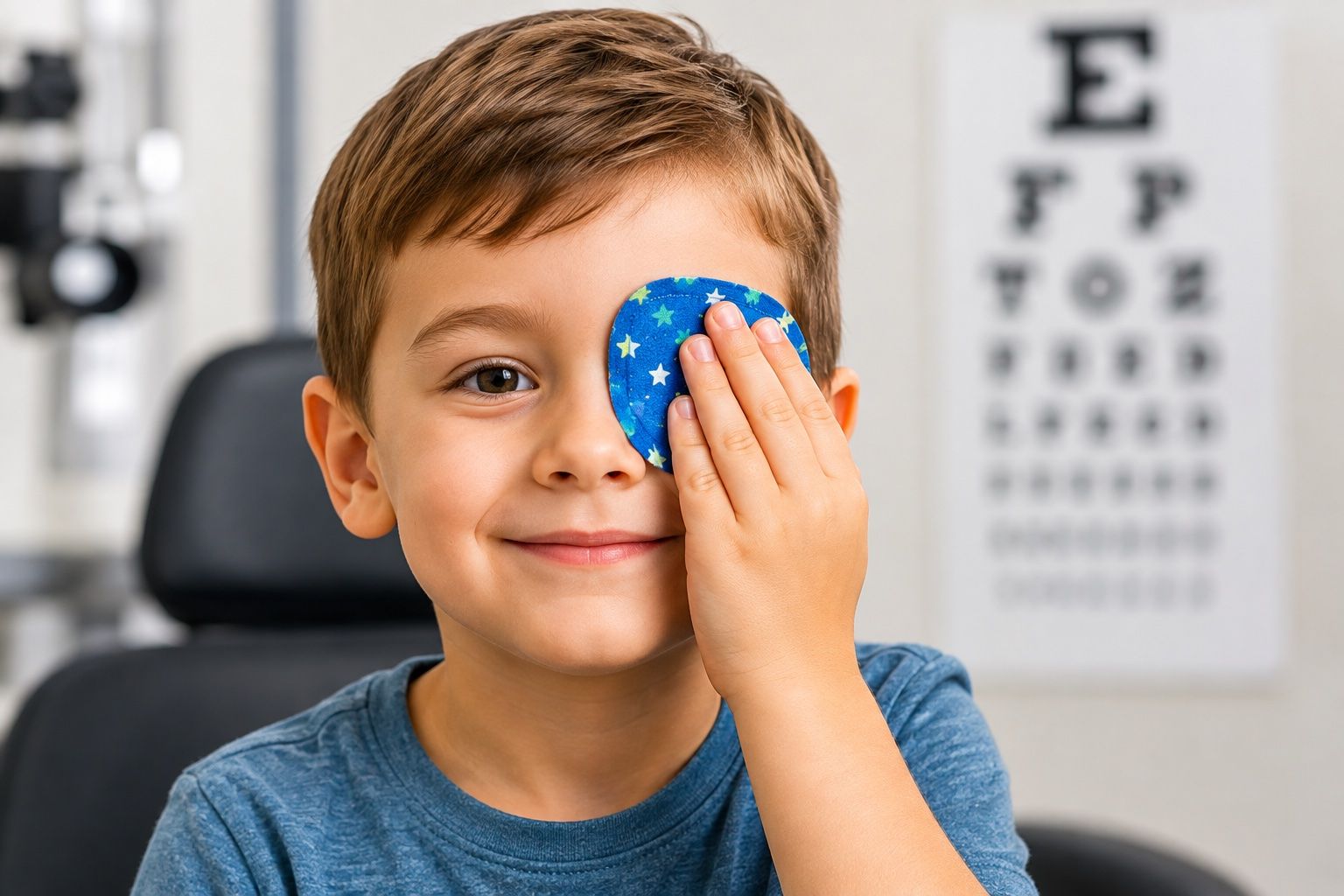
Many vision problems aren't obvious, and children might not complain about vision issues simply because they don't recognize them as abnormal. Regular eye exams allow us to identify and treat conditions like astigmatism, nearsightedness (myopia), or more serious issues such as amblyopia (lazy eye) early on. Catching these problems early can be a game-changer in a child's life
Vision and Learning
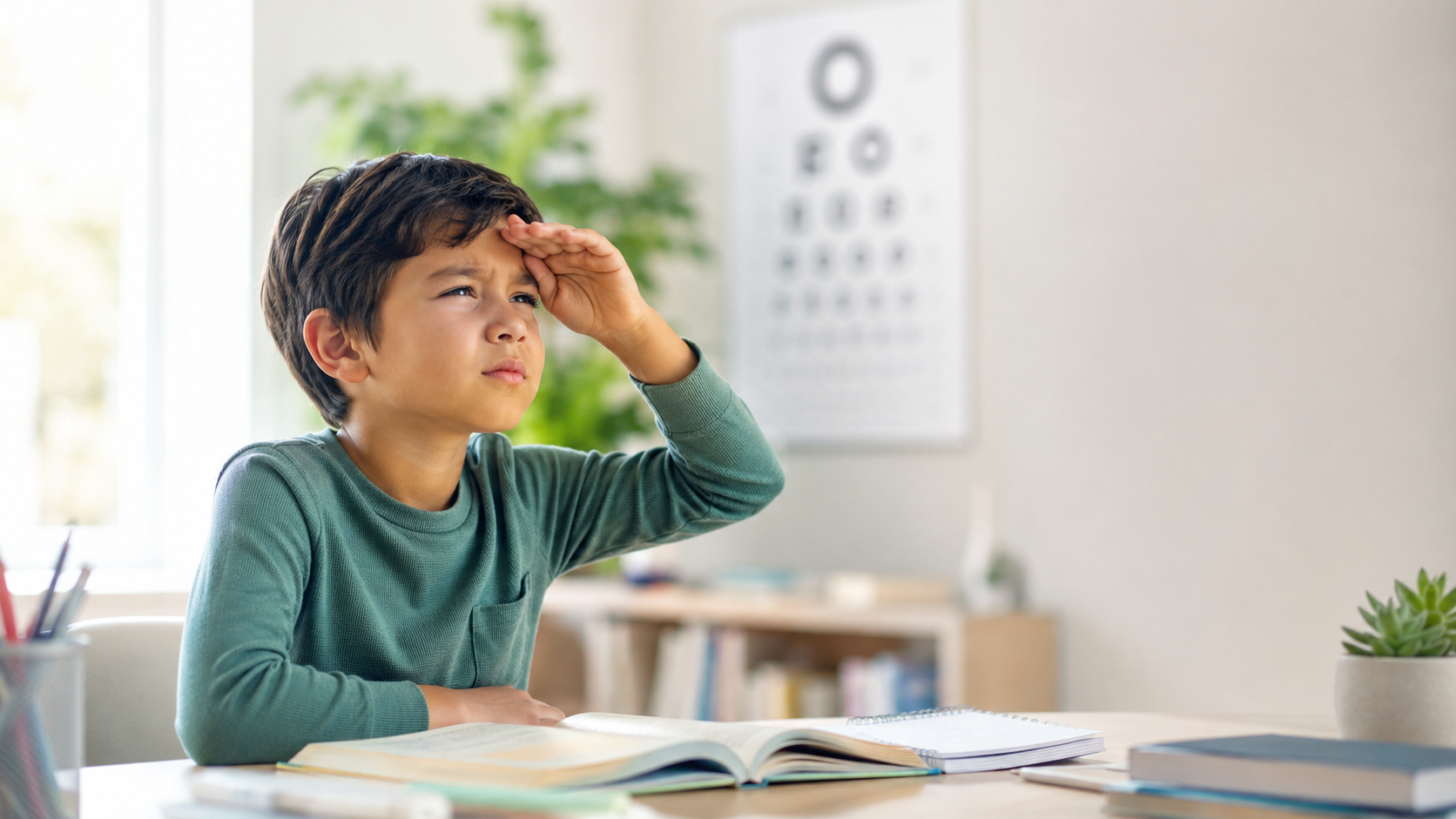
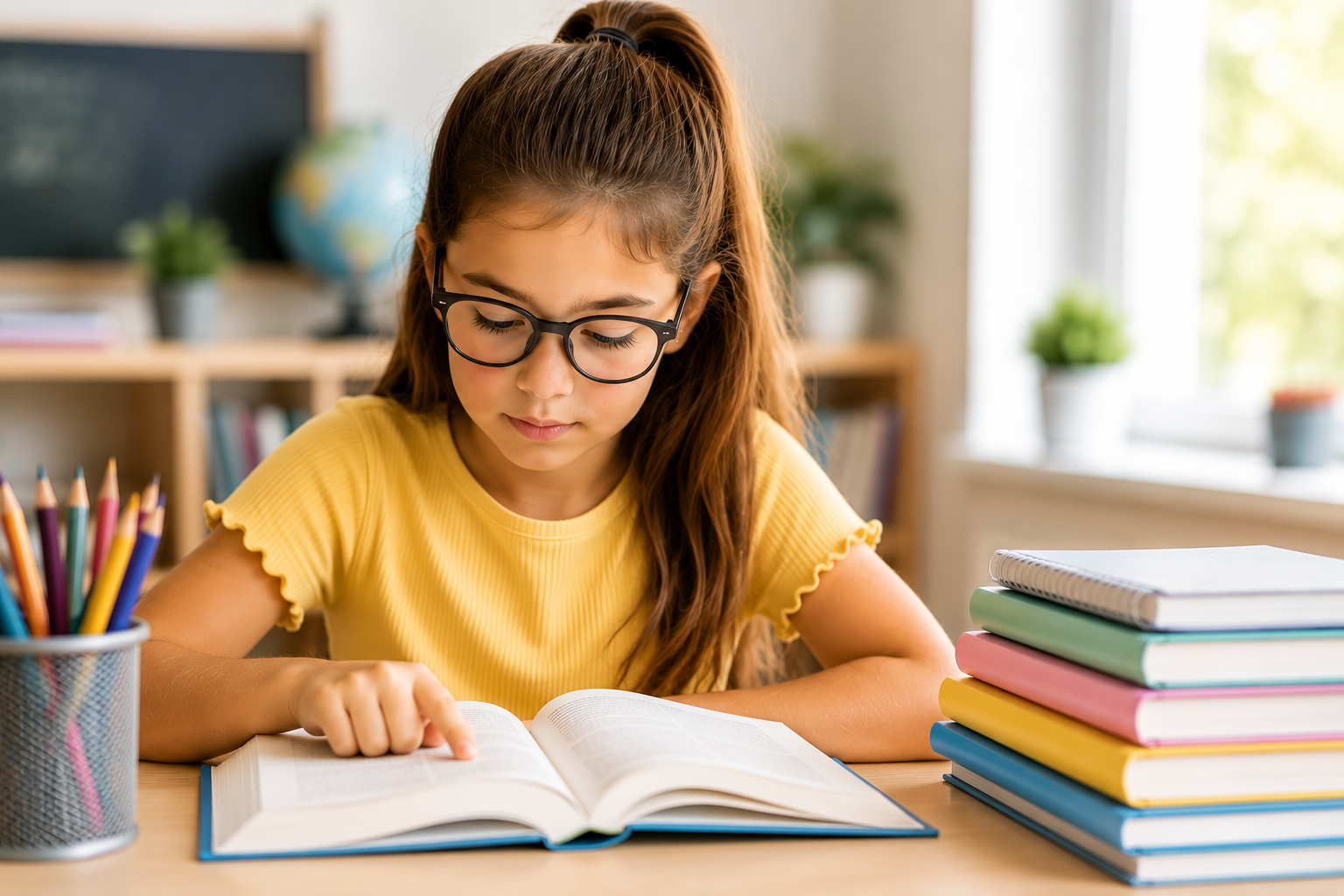
Did you know that about 80% of a child’s learning in school is done visually? Whether it’s reading from a whiteboard, using a computer, or playing sports, clear vision is a big part of how well a child performs and interacts in these settings. Regular eye exams ensure that your child’s vision is up to par, supporting their academic and social success.
Building a Foundation for Healthy Vision
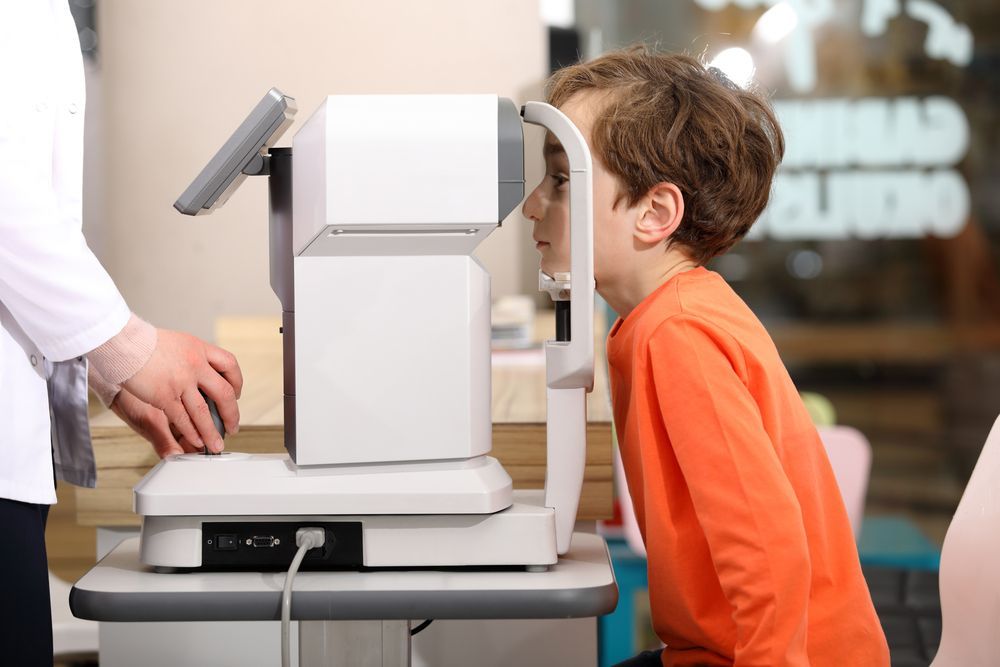
Eye exams do more than just check how well your child sees. They also check for overall eye health and can detect early signs of eye conditions that could affect your child’s vision in the long run. Regular check-ups can prevent issues before they start or keep them from getting worse.
When to Schedule Eye Exams
At 6 months to assess early eye health. While eye health problems are not common at this age, early detection and treatment is important to make sure infants develop the visual skills they need to develop and learn.
Age 2 to 5. The toddler and preschool years are a crucial period of rapid intellectual and motor development for children. During this time, they refine their perceptual abilities, enhance their fine motor skills, and develop the hand-eye coordination necessary for reading, writing, engaging in sports, and participating in creative activities like drawing and building. Since these developmental milestones heavily rely on good vision and effective visual processing, the American Optometric Association strongly recommends scheduling an eye exam for children during this time.
Ages 6-18. During the school years, it is recommended that children have an eye exam annually. Vision problems that go unnoticed or untreated can hinder a child's or teen's academic, social, athletic, and personal development.
Most children may not recognize when their vision isn’t as it should be, simply because they don’t know what “normal” vision looks like. Regular eye exams are crucial to identify any vision issues early. This early detection ensures that such problems can be addressed before they negatively affect a child’s learning, development, or overall quality of life.
If it’s been a while since your child's last eye exam or if they’ve never had one, we’re here to help. The eye doctors and team at Blake Bush Family Eye Care are here to help with the very best in children's eye exams and eyewear when needed. Give us a call today or schedule an appointment online and ensure your child's vision is the best it can be. Together, let’s keep an eye on their future!