The Impact of Screen Time on Children's Eyes During Summer Break
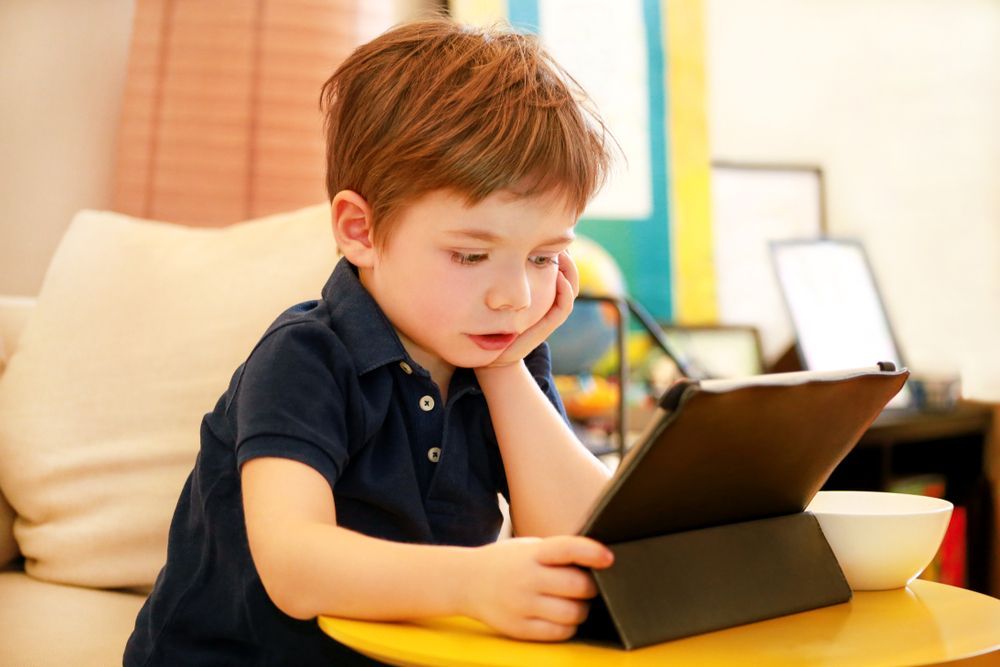
Summer break is a time for children to relax, play, and enjoy a break from school routines. However, with the increased free time, many kids end up spending more hours in front of screens—whether it's watching TV, playing video games, or using tablets and smartphones. While these activities can be entertaining and educational, prolonged screen use can negatively impact children's eye health.
The Rise of Screen Time During Summer Vacation
With school out of session, children often turn to digital devices for entertainment and social interaction. The allure of video games, streaming services, and social media can easily lead to extended periods of screen time. This increase in digital consumption is a common trend during summer vacations, but it comes with several risks for young eyes.
Potential Effects of Prolonged Screen Use
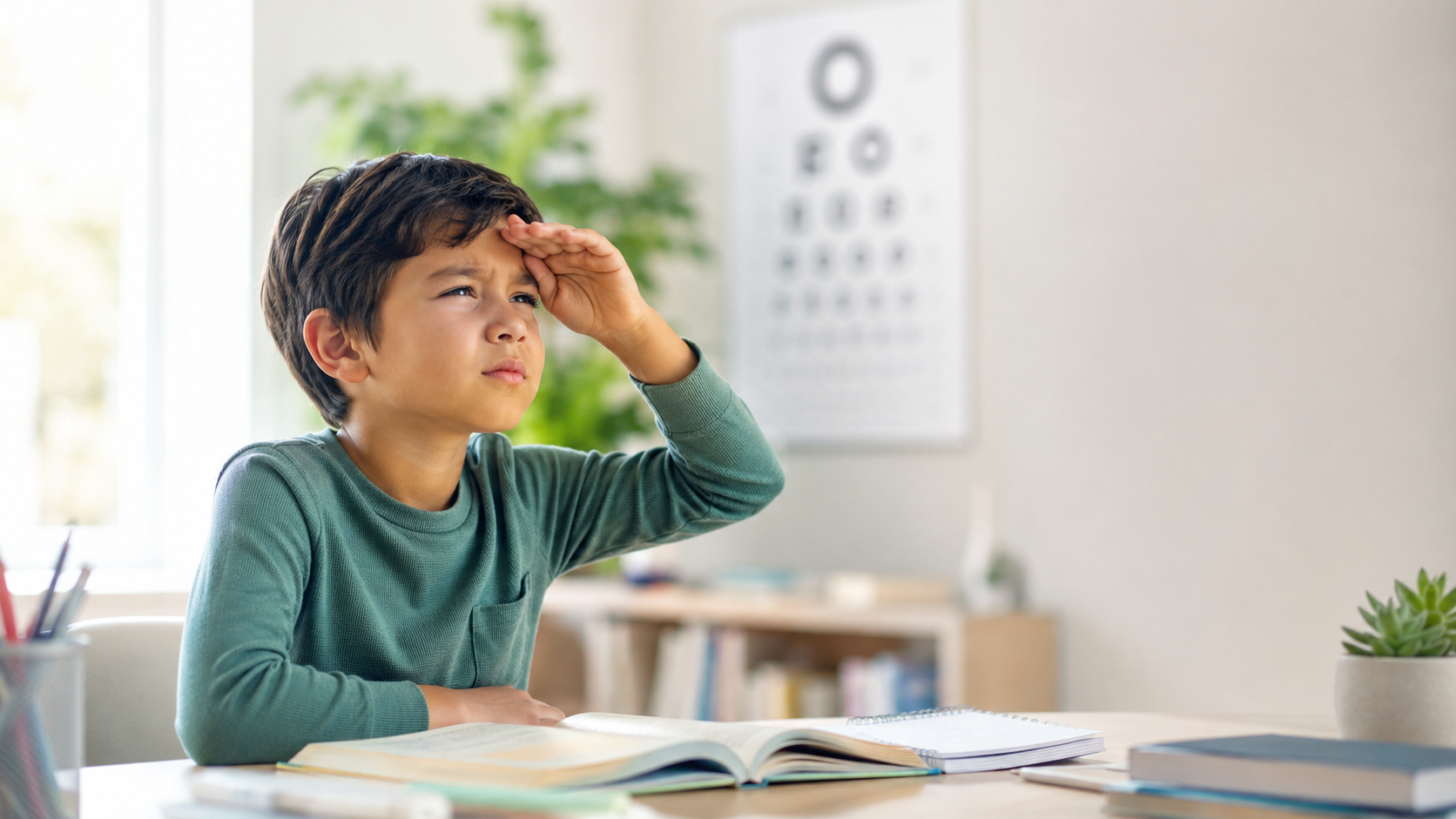
- Digital Eye Strain: Extended screen time can lead to digital eye strain, also known as computer vision syndrome. Symptoms include eye discomfort, dryness, blurred vision, headaches, and neck and shoulder pain. These symptoms occur because children tend to blink less when focusing on screens, causing their eyes to dry out and become strained.
- Myopia Progression: Myopia, or nearsightedness, is a growing concern among children. Studies have shown that prolonged close-up activities, such as using digital devices, can contribute to the progression of myopia. Increased screen time and reduced outdoor play have been linked to higher rates of nearsightedness in children.
Tips for Parents to Mitigate Screen Time Effects
- Encourage Outdoor Activities: Promote outdoor play and activities that do not involve screens. Spending time outdoors has been shown to reduce the risk of myopia progression and allows children's eyes to focus on distant objects, providing a natural break from close-up tasks.
- Implement Screen Time Breaks: Follow the 20-20-20 rule: every 20 minutes, encourage your child to take a 20-second break and look at something 20 feet away. This simple practice can help reduce eye strain and provide much-needed relief for their eyes.
- Promote Proper Ergonomics: Ensure that your child's screen time environment is ergonomically friendly. Position screens at eye level and at a comfortable distance to avoid neck strain. Make sure the room is well-lit to reduce glare and eye strain.
- Set Screen Time Limits: Establish clear guidelines for daily screen time to prevent excessive use. Encourage a healthy balance between screen time and other activities, such as reading, playing sports, and engaging in hobbies.
- Model Healthy Habits: Children often mimic their parents' behavior. Set a good example by practicing healthy screen habits yourself, such as taking regular breaks and prioritizing outdoor activities.
While screens are an integral part of modern life, it's essential to be mindful of the impact they can have on children's eye health, especially during summer break.Protect your child's vision this summer by scheduling a comprehensive eye exam. Our specialized pediatric eye care services ensure your child's eyes are healthy and screen-time effects are minimized.
To schedule an appointment, contact our office at 580-223-7333 or use our online scheduler.