Heading Back to School? Don't Forget to Add an Eye Exam to your Checklist!
The summer is winding down and the start of a new school year is just around the corner. As we prepare our children for their return to school with fresh supplies, new shoes, and the latest styles, there's an important item that often gets overlooked - our children's eye health. Ensuring optimal vision is not just a matter of buying the right pair of glasses or getting an updated prescription; it's about keeping up with regular eye exams and taking steps to protect your child's eyesight. So, let's dive into the essentials of a comprehensive back-to-school eye care checklist.
Comprehensive Eye Exams
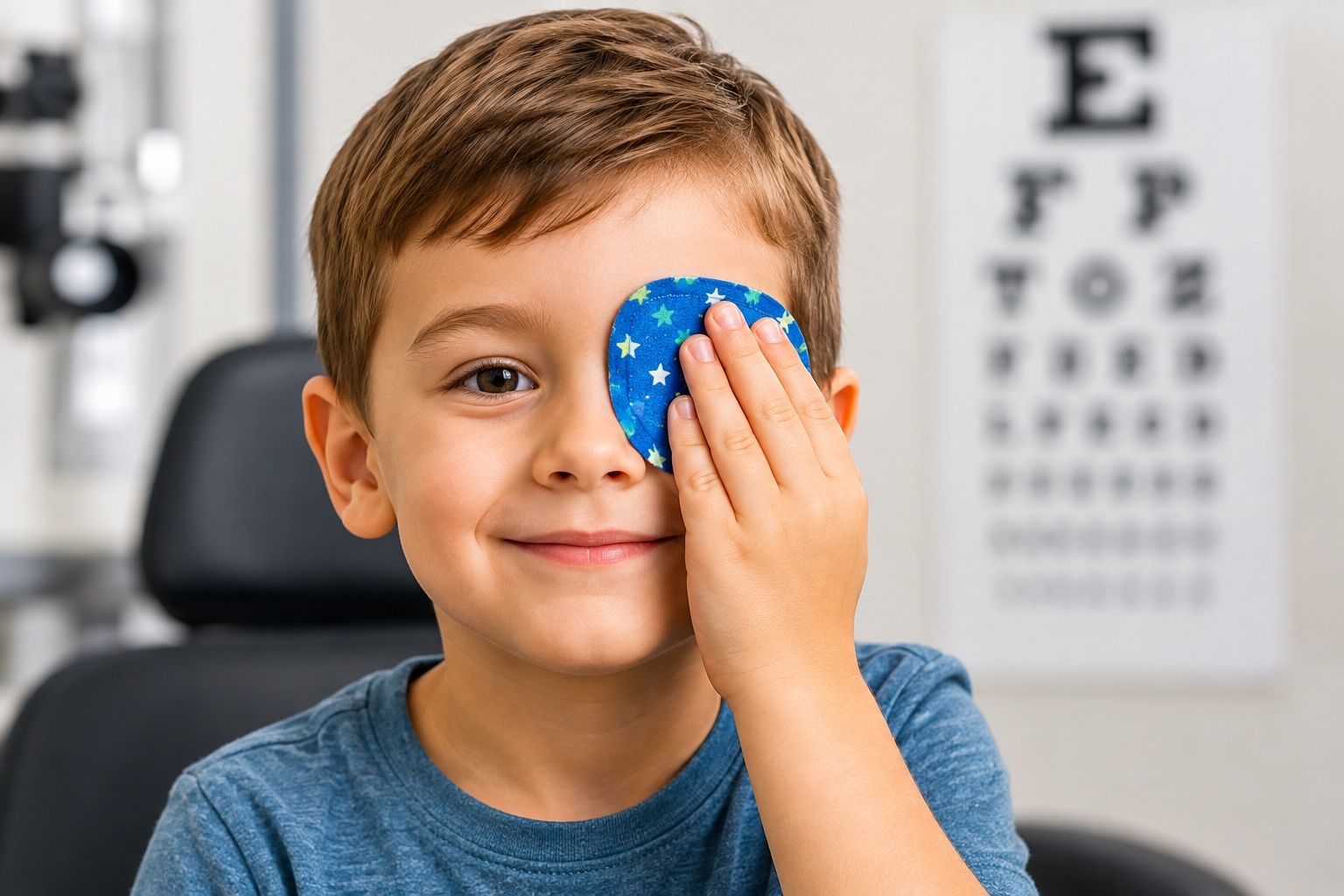
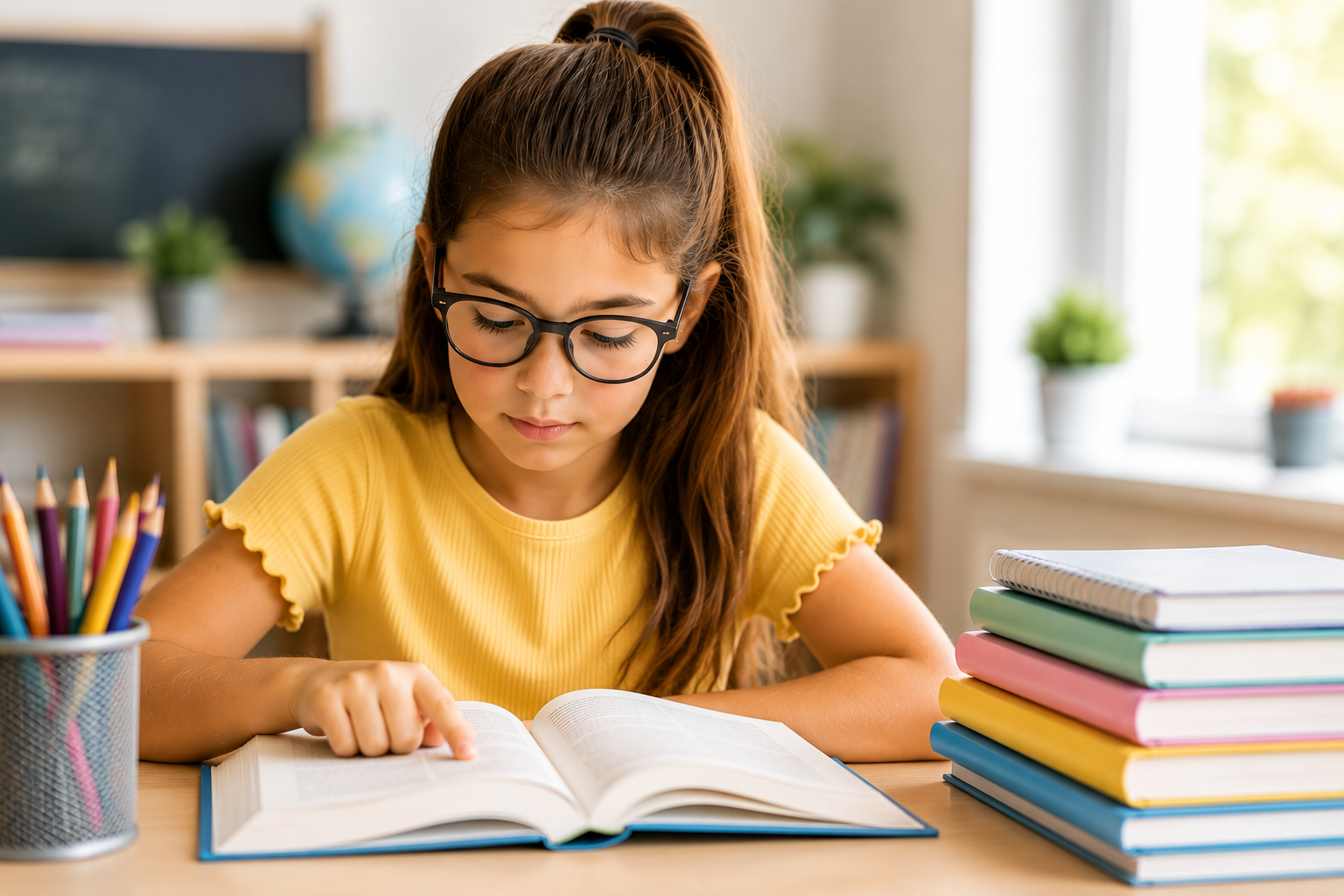
An annual eye exam can help detect vision problems that may affect your child's school performance. Think about it: if your child can't see clearly, it's going to be hard for them to read what's on the board, focus on a book, or even catch a ball during physical education class. 80% of learning happens visually. Children who have trouble seeing may struggle with reading, comprehension, and attention, which can lead to lower academic performance.
In fact, some children who are thought to have learning difficulties or attention problems may be struggling because of an undetected vision problem. Regular eye exams can help detect these issues, ensuring that your child has the visual tools they need to succeed in school.
The American Optometric Association recommends that school-age children get an eye exam every year. This is because as children grow, their eyes continue to change. Without regular eye exams, vision problems could go unnoticed and become more serious over time. An annual comprehensive eye exam can catch these issues early when they are most treatable.
Myopia is on the Rise
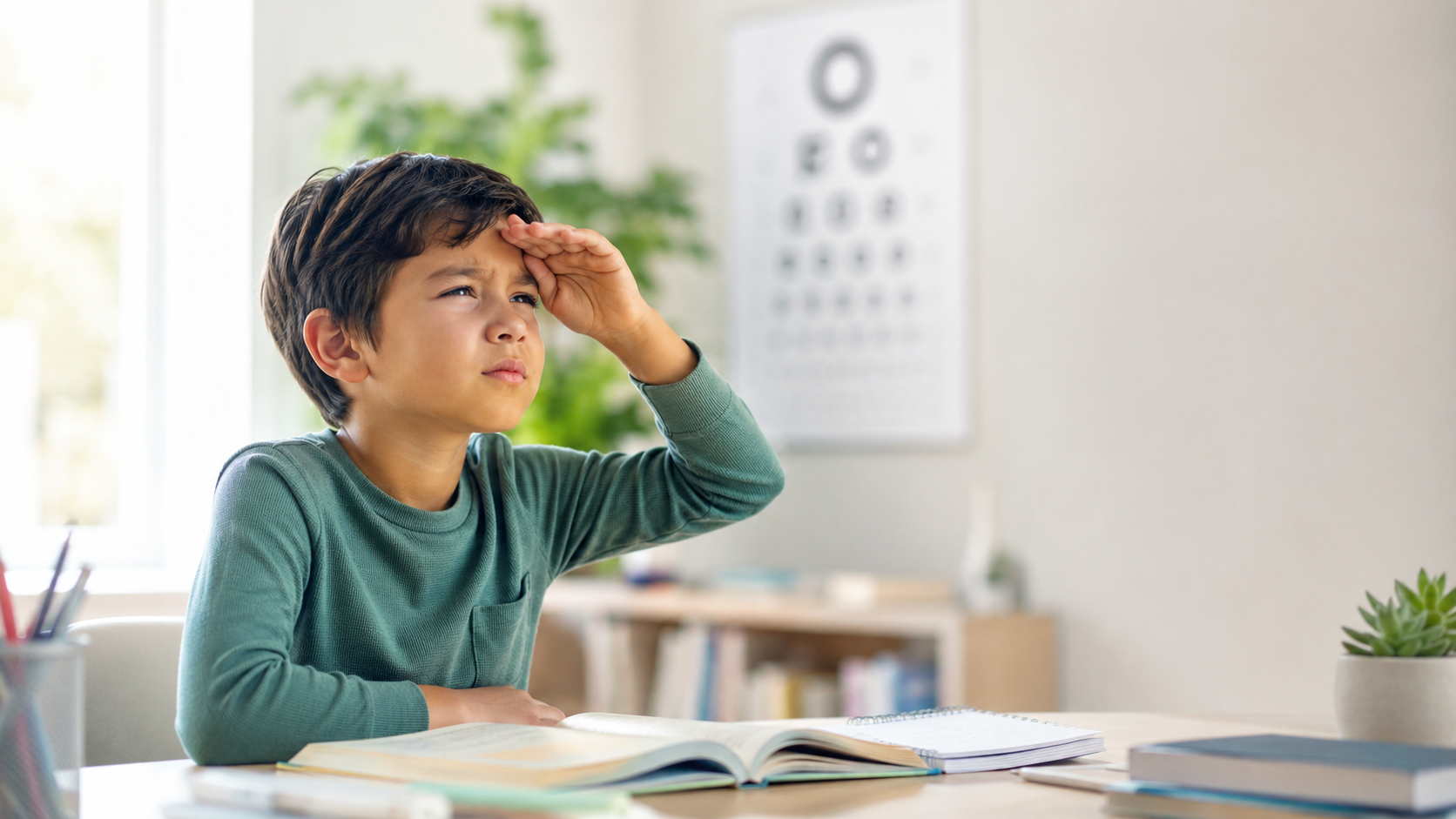
One rising concern is nearsightedness, or myopia, which is becoming increasingly common among children. Nearsightedness causes objects in the distance to appear blurry. This could make it difficult for your child to see the chalkboard or projector screen in their classroom. The good news is that nearsightedness can be easily detected in a comprehensive eye exam and can be managed with corrective lenses or other treatments.
Protecting Against Blue Light
In this digital age, children are spending more time than ever in front of screens, which emit blue light. Excessive exposure to blue light can lead to digital eye strain, which can cause symptoms like headaches, blurred vision, and dry eyes. It's also been suggested that overexposure to blue light may disrupt sleep patterns.
To protect your child's eyes from blue light, consider investing in blue light blocking glasses, especially if they are spending a lot of time on computers or tablets for schoolwork. Encourage regular breaks from screen time, and make sure that their workstation is well-lit, to reduce the strain on their eyes. There are also apps and settings on many devices that can help reduce the amount of blue light they emit.
As we gear up for the new school year, it’s important to prioritize our children's eye health. This means scheduling a comprehensive eye exam, staying vigilant about potential vision problems that could affect school performance, and taking steps to protect our children's eyes from the potential harm of blue light.
Please feel free to call us with any questions or concerns you may have about your child’s eye health at 580-223-7333. Need to schedule an exam? Try our online scheduler.