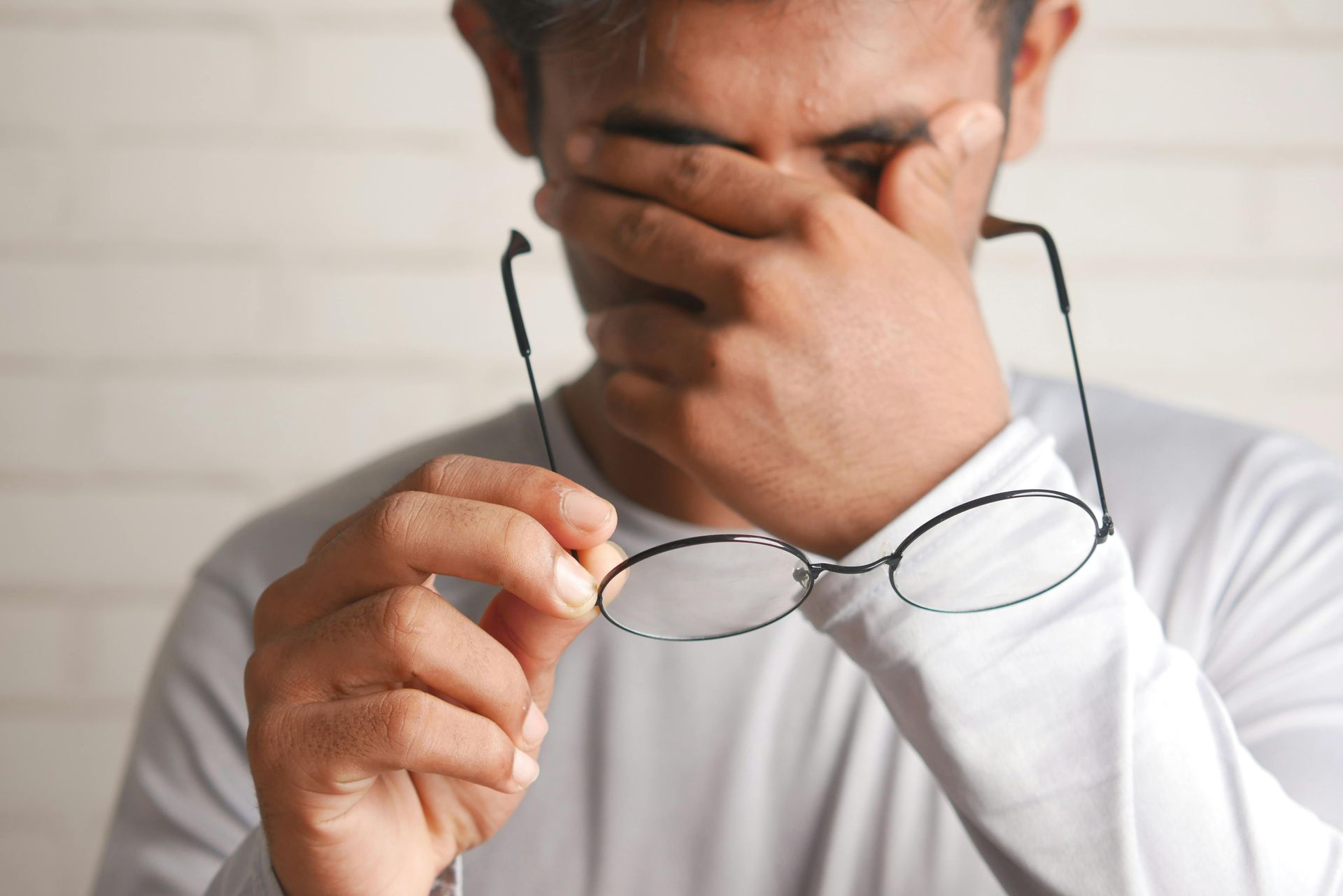
Protecting Your Vision: Eye Safety in Sports
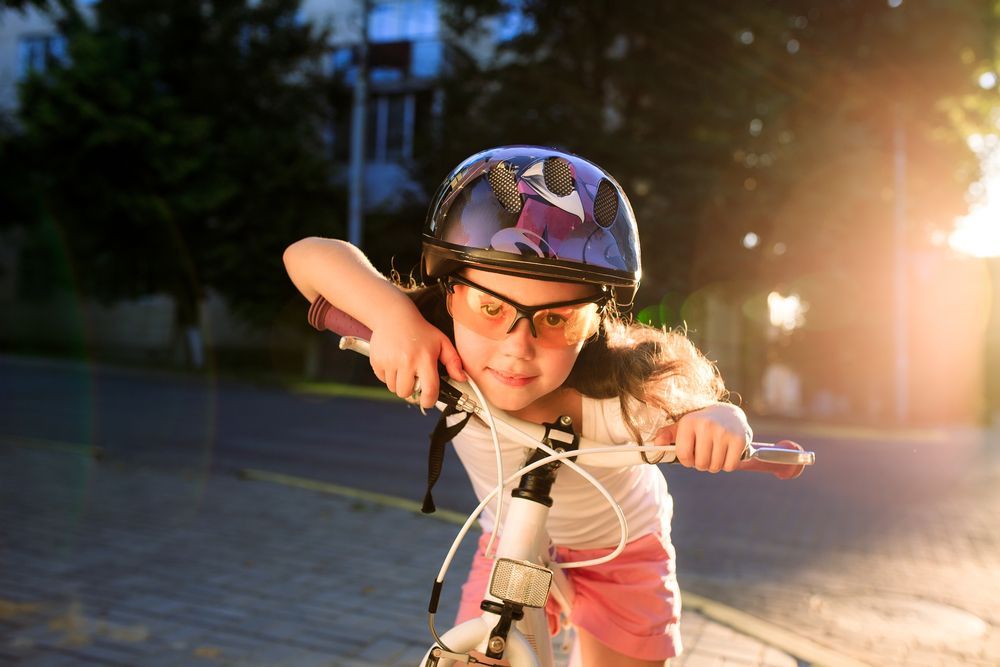
Sports offer a multitude of benefits, from physical fitness to teamwork and camaraderie. Whether you're an amateur or a seasoned athlete, it's important to prioritize your safety during any sporting activity. While most sports focus on protecting the body, one area that often gets overlooked is eye safety. According to the American Academy of Ophthalmology , nearly 30,000 sports-related eye injuries are treated in U.S. emergency rooms each year. The good news is that 90% of serious eye injuries could be prevented by wearing appropriate protective eyewear.
The Risks of Eye Injuries
Eye injuries are not uncommon in sports, and they can range from minor irritations to severe, vision-threatening incidents. These injuries often result from direct impact, flying objects, accidental finger pokes, or exposure to hazardous materials. Sports like basketball, baseball, soccer, tennis, and racquetball pose a higher risk due to the nature of the game. However, it's essential to prioritize eye safety in any sport, no matter how mild or intense.
Preventing Eye Injuries During Sports
Fortunately, there are several practical measures you can take to safeguard your eyes while enjoying your favorite sports. By following these guidelines, you can significantly reduce the risk of eye.
Wear Protective Eyewear
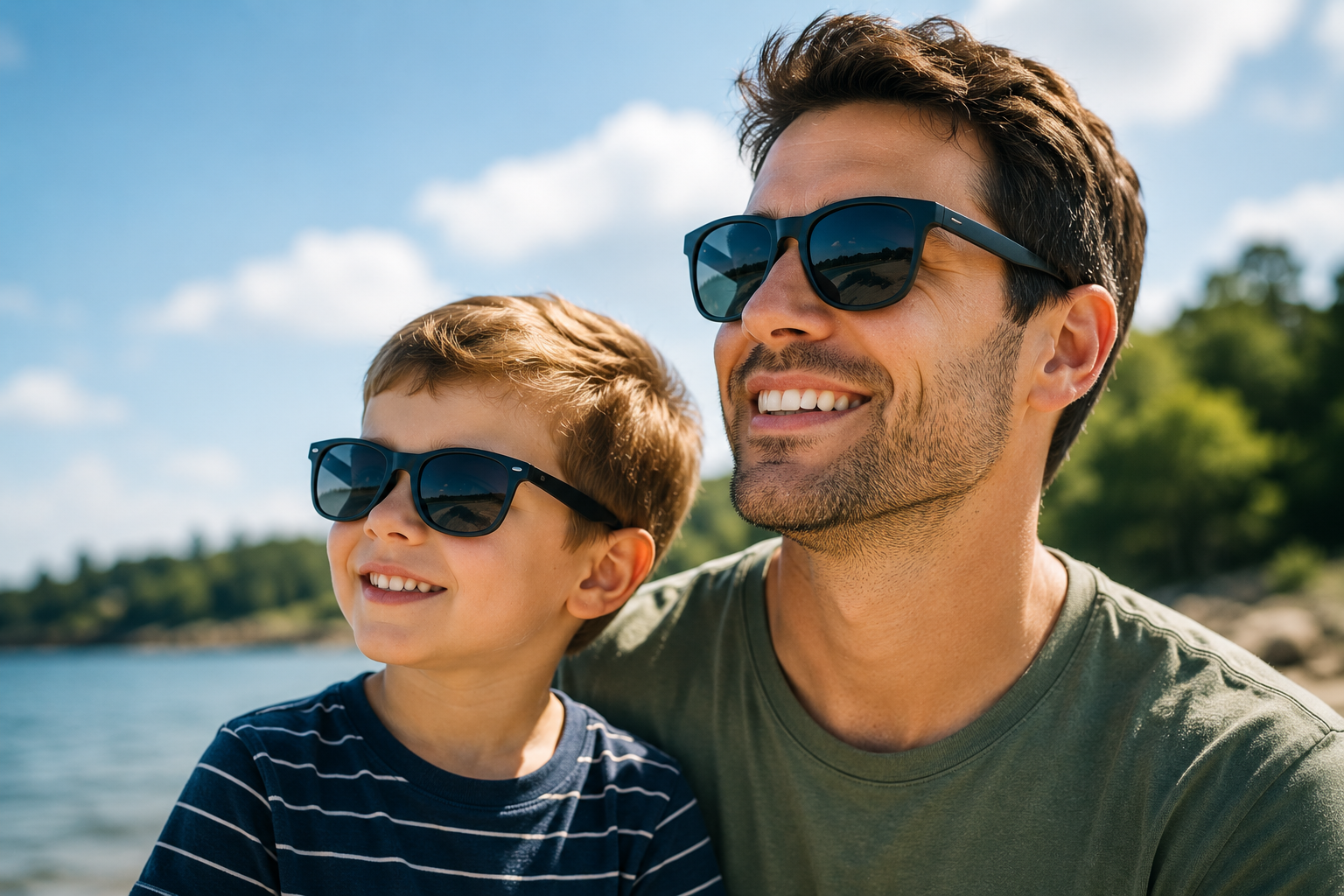
The most effective way to prevent eye injuries during sports is to wear appropriate protective eyewear. Sports goggles or safety glasses specifically designed for the sport you engage in can provide the necessary shield for your eyes. Look for eyewear with polycarbonate lenses, as they are impact-resistant and provide excellent protection. Ensure that the eyewear fits properly, provides clear vision, and doesn't obstruct your peripheral vision.
Here are some types of eyewear specifically designed for different sports:
- Water Sports: When participating in water sports such as swimming, kayaking, or surfing, consider using swim goggles or snorkeling masks with shatterproof lenses. These will protect your eyes from water impact and potential debris in the water.
- Field Sports: Sports played on fields, such as soccer, baseball, or softball, often involve fast-moving balls or flying objects. For these sports, choose polycarbonate or plastic safety glasses or goggles. These options provide impact resistance and wraparound protection to shield your eyes from potential blows or collisions.
- Winter Sports: Sports like skiing, snowboarding, or ice hockey carry unique eye risks due to the presence of snow, ice, and cold winds. To protect your eyes from glare, UV radiation, and potential impacts, wear goggles specifically designed for winter sports. Look for goggles with anti-fog coating, UV protection, and a snug fit to keep your eyes safe and comfortable.
Know Your Sport's Safety Recommendations
Different sports carry varying risks, so it's essential to be aware of the safety guidelines specific to your chosen activity. Many sports associations provide recommendations on eye safety equipment and protocols, so familiarize yourself with their guidelines.
Get Regular Eye Examinations
Regular eye examinations are essential for maintaining good eye health, especially if you participate in sports regularly. During your exam we can detect any pre-existing eye conditions and ensure that your eyes are healthy for sports activities. We can also provide tailored recommendations and prescribe the eyewear protection you need. Call us at 580-223-7333 or schedule your exam online.