Eye Floaters: When Are They Normal — and When Should You Worry?

Summary
Eye floaters are small shapes, specks, or strands that drift across your field of vision. In many cases, they are a normal part of aging and do not indicate a serious problem. However, a sudden increase in floaters, flashes of light, or a shadow in your peripheral vision may signal a retinal tear or detachment, which requires immediate medical attention. In this article, we explain what causes floaters, when they are harmless, and the warning signs that mean you should schedule an urgent eye exam.
Many people notice small spots or thread-like shapes moving in their vision from time to time. These are called eye floaters, and they are especially noticeable when looking at a bright background, such as a blue sky or computer screen.
At Blake Bush Family Eye Care in Ardmore, we regularly evaluate patients who are concerned about new or changing floaters. While most floaters are harmless, some can signal more serious eye conditions.
Here’s what you need to know.
What Causes Eye Floaters?
Inside your eye is a clear, gel-like substance called the vitreous. As we age, the vitreous naturally begins to shrink and become more liquid. Tiny fibers within the gel can clump together, casting shadows on the retina. These shadows are what you see as floaters.
Common causes include:
- Natural aging (most common after age 40)
- Nearsightedness
- Previous eye surgery (including cataract surgery)
- Eye inflammation
- Minor vitreous changes
In many cases, floaters are simply part of the normal aging process.
When Are Floaters Considered Normal?
Floaters are typically harmless if:
- They appear gradually
- You have had them for a long time without change
- They are not accompanied by flashes of light
- There is no loss of peripheral vision
Over time, many floaters become less noticeable as your brain adapts to them.
When Should You Be Concerned?
A sudden change in floaters can indicate a retinal tear or retinal detachment, both of which require prompt treatment.
Seek immediate evaluation if you notice:
- A sudden increase in floaters
- Flashes of light (especially in peripheral vision)
- A dark curtain or shadow moving across your vision
- Sudden blurred or distorted vision
These symptoms may indicate that the vitreous has pulled on the retina, causing a tear. If untreated, this can lead to retinal detachment and permanent vision loss.
Prompt diagnosis significantly improves outcomes.
What Is a Posterior Vitreous Detachment (PVD)?
One common cause of new floaters is a posterior vitreous detachment. This occurs when the vitreous gel pulls away from the retina — a common age-related change.
While PVD itself is often harmless, it can occasionally cause retinal tears. That’s why any new onset of floaters should be evaluated with a comprehensive, dilated eye exam.
How Are Floaters Treated?
Most floaters do not require treatment.
In rare, severe cases where floaters significantly interfere with vision, options may include:
- Vitrectomy (surgical removal of vitreous gel)
- Laser treatment (in select cases)
However, these treatments are not commonly needed and are typically reserved for significant visual impairment.
When to Schedule an Eye Exam
You should schedule an exam if:
- You notice new floaters
- Your existing floaters suddenly increase
- You experience flashes of light
- You notice any shadow or curtain effect in your vision
Even if symptoms turn out to be harmless, ruling out serious retinal conditions is essential for protecting your long-term vision.
Protecting Your Vision for the Long Term
Changes in your vision should never be ignored. Early detection of retinal issues can prevent permanent damage.
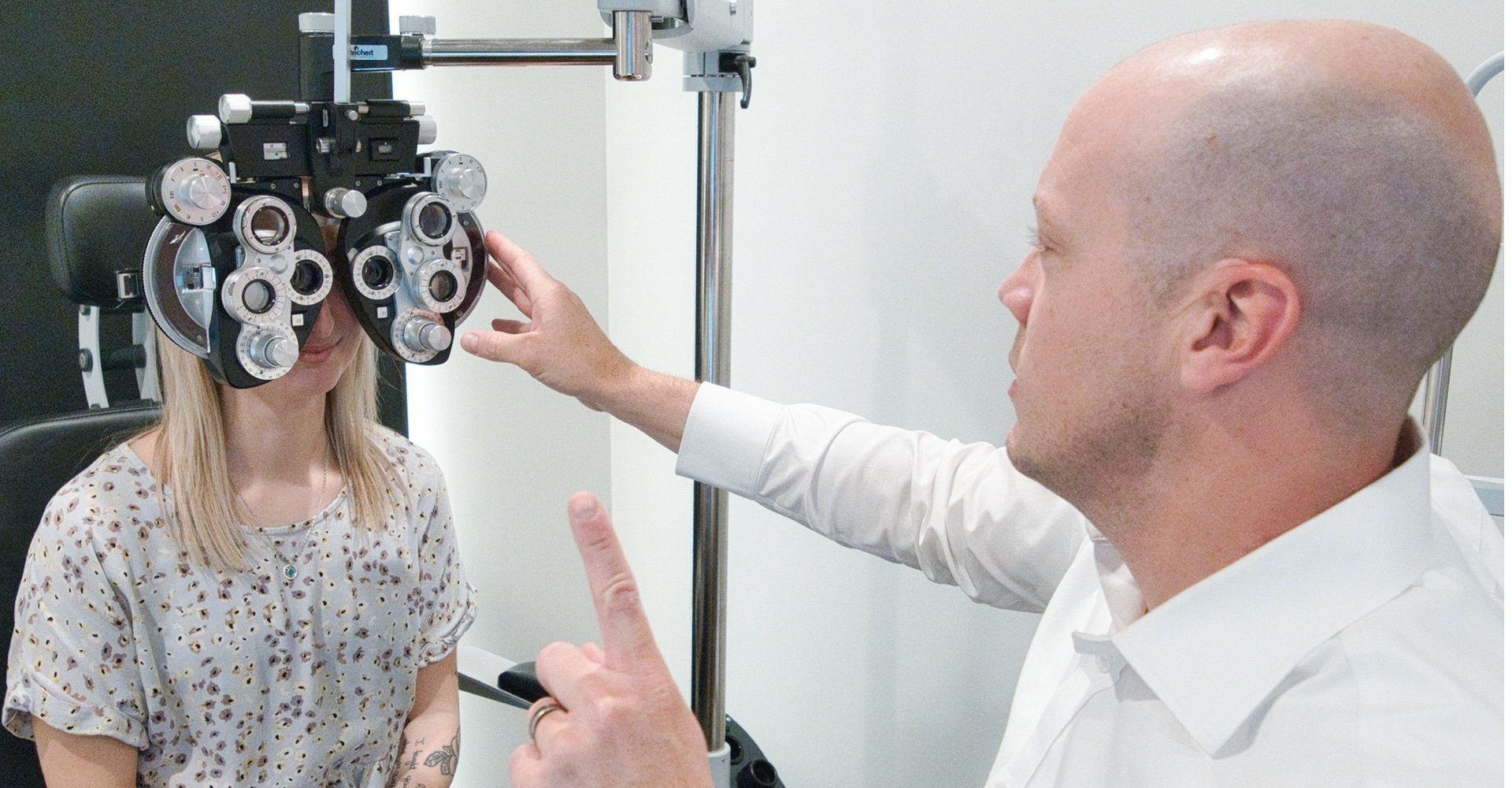
If you are experiencing new or changing floaters, contact Blake Bush Family Eye Care in Ardmore to schedule a comprehensive eye exam. Our team uses advanced diagnostic technology to evaluate retinal health and ensure your vision remains protected.
Frequently Asked Questions About Eye Floaters
Are eye floaters dangerous?
Most floaters are harmless and part of the natural aging process. However, a sudden increase in floaters or floaters accompanied by flashes may signal a retinal problem.
What do eye floaters look like?
They may appear as small dots, cobwebs, threads, squiggly lines, or shadowy shapes that move as your eyes move.
Do eye floaters go away?
Floaters often become less noticeable over time as the brain adapts. They may not completely disappear but typically become less distracting.
Can stress cause eye floaters?
Stress itself does not directly cause floaters. However, increased awareness during stress may make existing floaters more noticeable.
When are flashes of light a concern?
Flashes, especially when combined with new floaters, can indicate vitreous traction or retinal tears and should be evaluated promptly.
How urgent is a sudden increase in floaters?
A sudden increase in floaters should be evaluated as soon as possible — ideally the same day — to rule out retinal tears or detachment.
About the Author
Blake Bush Family Eye Care is a leading provider of optometric services in Ardmore, Oklahoma. Our mission is to help every patient enjoy healthy, clear vision for life through advanced technology, personalized care, and genuine compassion. We provide comprehensive eye exams for all ages — starting at six months — and specialize in dry eye treatment, scleral lens fittings, and ocular disease management.
Serving Ardmore and surrounding communities, we’re committed to early detection, prevention, and customized solutions for every patient’s unique vision needs. Learn more at www.blakebushfamilyeyecare.com.