Why Your Vision Changes in Your 40s: Understanding Presbyopia

Summary
If you’ve recently noticed it’s harder to read your phone or small print up close, you’re not alone. Presbyopia is a natural, age-related change in vision that typically begins in your 40s. The good news is that there are several effective, modern solutions to help you maintain clear, comfortable vision at all distances.
What You’ll Learn
- What presbyopia is and why it happens
- Common early signs to watch for
- How presbyopia differs from other vision problems
- The best treatment options available today
- When to schedule an eye exam
What Is Presbyopia?
Presbyopia is the gradual loss of your eye’s ability to focus on nearby objects. It occurs as the natural lens inside your eye becomes less flexible over time, making it harder to shift focus from far to near.
This is a normal part of aging—not a disease—and it affects everyone eventually.
Early Signs of Presbyopia
Many patients first notice subtle changes, including:
- Holding reading material farther away
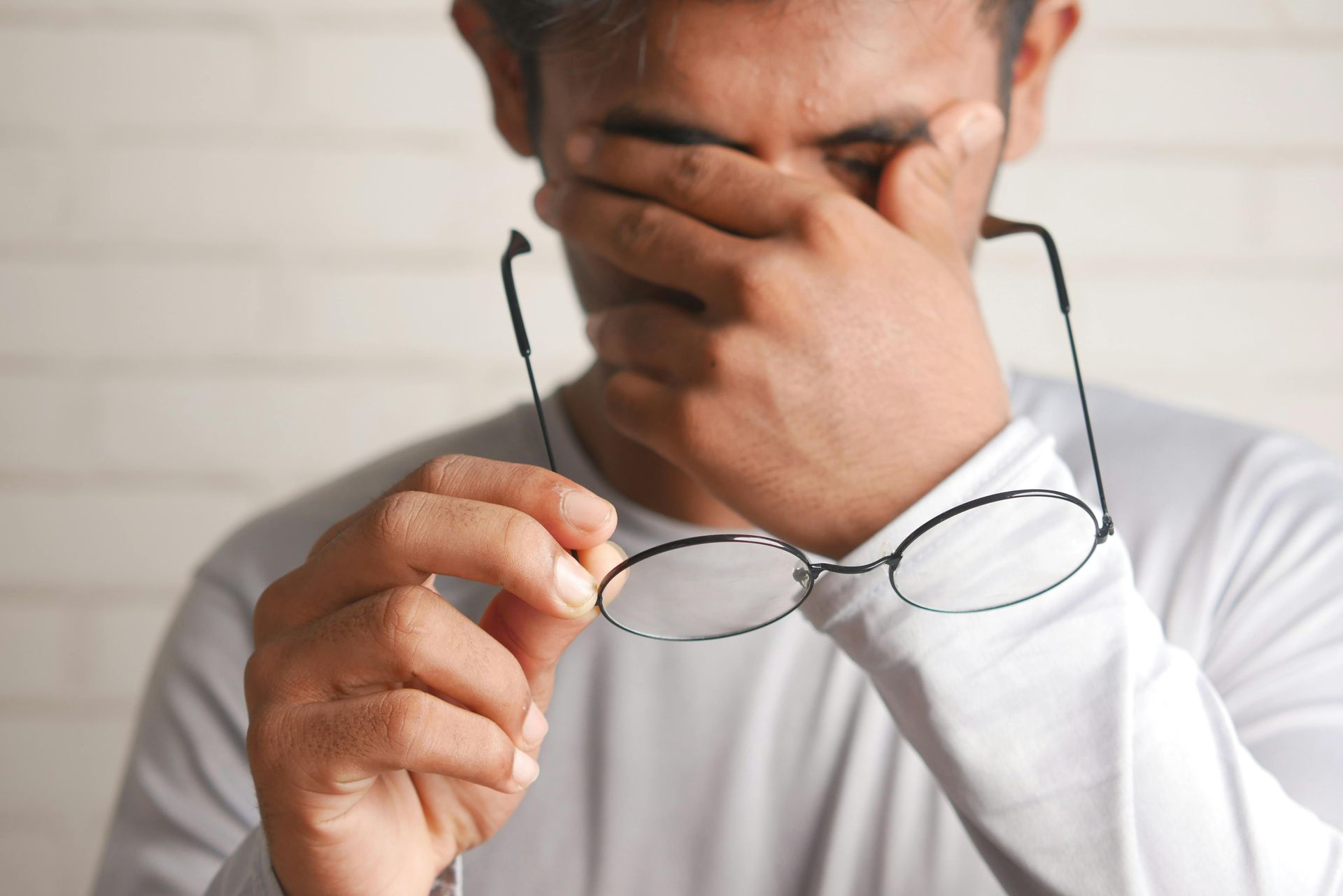
- Blurry vision when reading small print
- Eye strain or headaches after close-up work
- Needing brighter light to see clearly
These symptoms often appear gradually, which is why routine eye exams are important for early detection.
Presbyopia vs. Other Vision Issues
Presbyopia can occur whether you’ve had perfect vision your whole life or already wear glasses or contacts. It’s different from conditions like nearsightedness or farsightedness, though they can exist together.
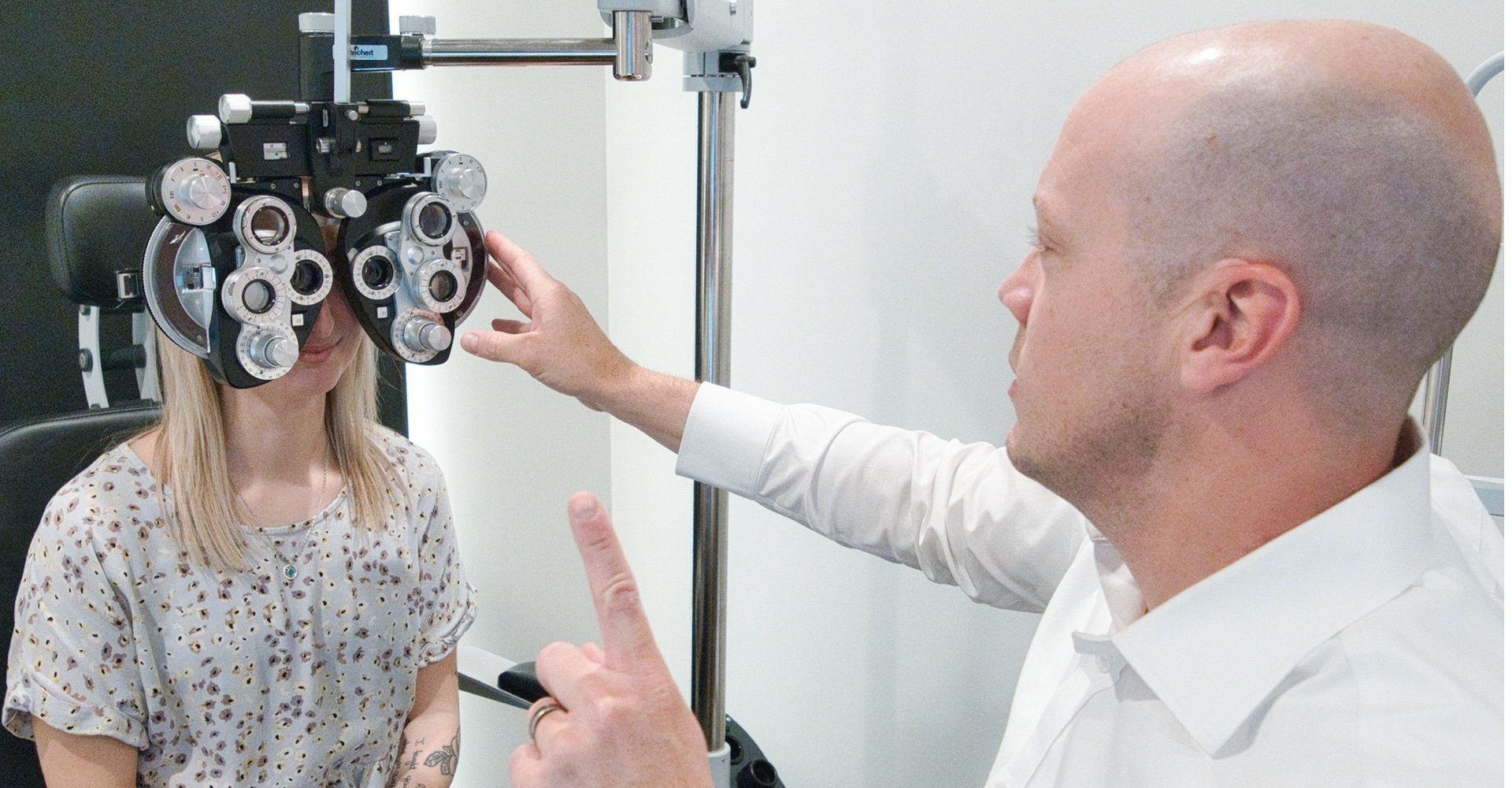
A comprehensive eye exam ensures the correct diagnosis and treatment plan.
Modern Treatment Options
Today’s solutions go well beyond basic reading glasses. Depending on your lifestyle and preferences, options may include:
- Progressive lenses for seamless distance and near vision
- Bifocal or trifocal glasses
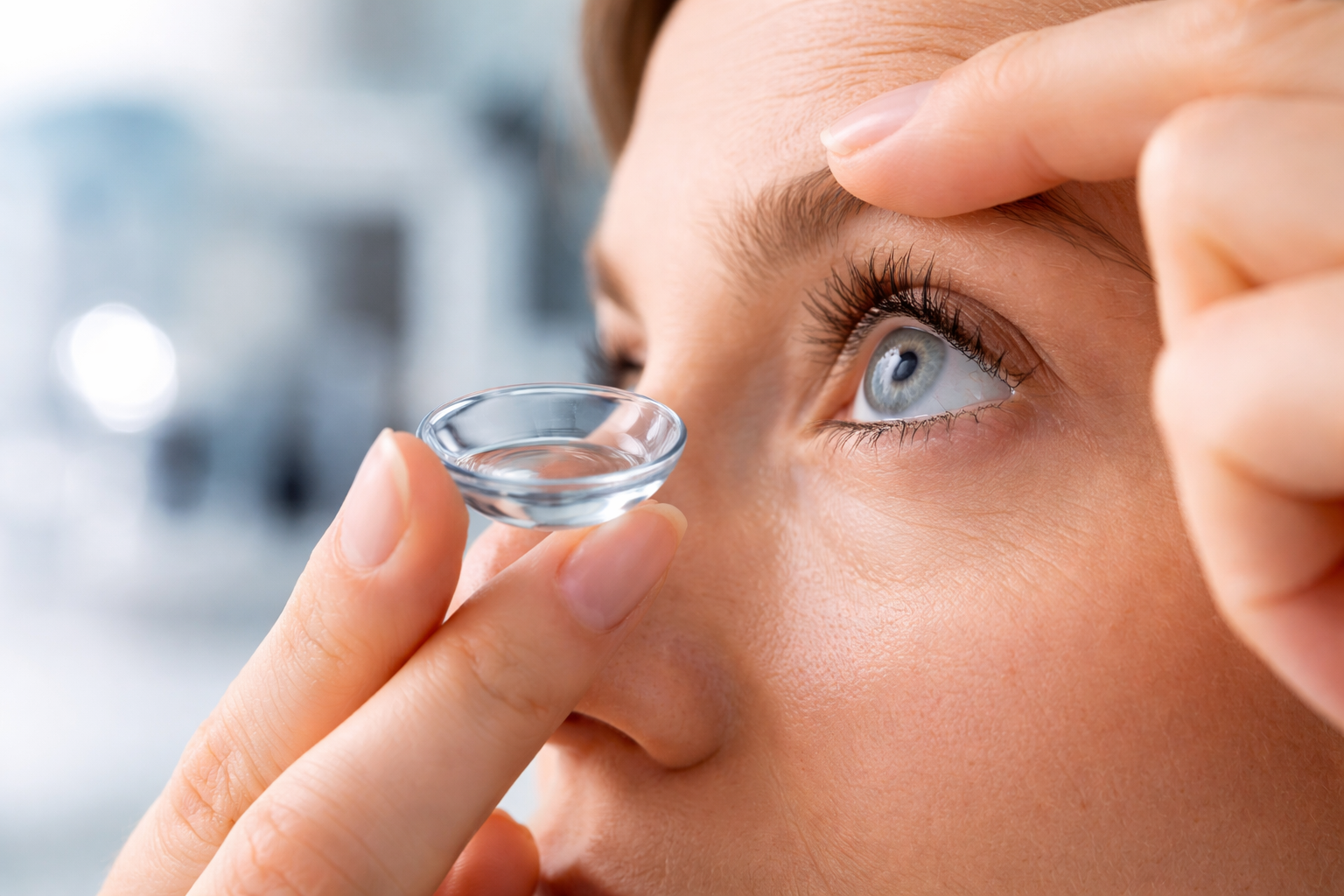
- Multifocal contact lenses
- Monovision contact lenses
- Specialty lenses for enhanced visual comfort
Your eye doctor can help determine which option fits your daily routine and visual needs.
When to Schedule an Eye Exam
If you’re over 40 and noticing changes in your near vision, it’s time for a comprehensive eye exam. Even if symptoms are mild, early evaluation helps ensure you’re using the most effective and comfortable solution.
FAQs About Presbyopia
Is presbyopia inevitable?
Yes. It’s a natural part of aging that affects everyone, typically starting in the early to mid-40s.
Can presbyopia get worse over time?
Yes, it gradually progresses, usually stabilizing around age 60.
Are reading glasses the only solution?
No. Many patients prefer progressive lenses or multifocal contacts for greater convenience and flexibility.
Can I prevent presbyopia?
You can’t prevent it, but regular eye exams ensure it’s managed effectively.
Is presbyopia a sign of eye disease?
No, but an eye exam is still important to rule out other conditions and maintain overall eye health.
About the Author
Blake Bush Family Eye Care is a leading provider of optometric services in Ardmore, Oklahoma. Our mission is to help every patient enjoy healthy, clear vision for life through advanced technology, personalized care, and genuine compassion. We provide comprehensive eye exams for all ages — starting at six months — and specialize in dry eye treatment, scleral lens fittings, and ocular disease management.
Serving Ardmore and surrounding communities, we’re committed to early detection, prevention, and customized solutions for every patient’s unique vision needs. Learn more at www.blakebushfamilyeyecare.com