Why Spring Is the Perfect Time for a Comprehensive Eye Exam
Summary
Spring is a natural time to reset your health routines, making it an ideal season to schedule a comprehensive eye exam. Beyond updating your prescription, regular exams play a critical role in detecting early signs of eye disease and maintaining long-term vision health. At Blake Bush Family Eye Care, advanced technology allows us to identify potential concerns early—often before symptoms appear.
What You’ll Learn
- Why annual eye exams are essential—even if your vision seems fine
- How early detection helps prevent long-term vision problems
- What to expect during a comprehensive eye exam
- Why spring is a strategic time to prioritize your eye health
A Fresh Start for Your Eye Health
Spring is often associated with cleaning, organizing, and prioritizing wellness. While many people focus on physical fitness or home projects, eye health is frequently overlooked.
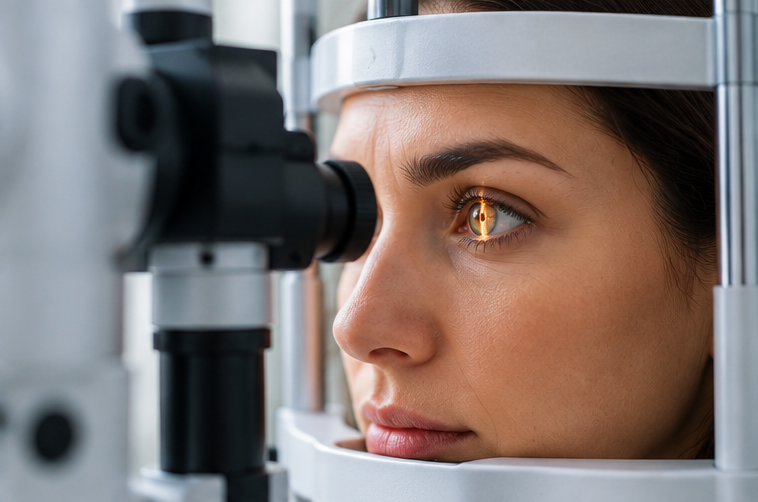
A comprehensive eye exam does more than check how clearly you can see. It evaluates the overall health of your eyes and can detect early signs of conditions such as glaucoma, macular degeneration, and diabetic eye disease.
Because many eye conditions develop without noticeable symptoms, routine exams are one of the most effective ways to protect your vision over time.
Why Timing Matters
Scheduling your exam in the spring offers several practical advantages:
- Establish a routine: Annual exams are easier to remember when tied to a consistent time of year
- Prepare for summer activities: Clear, comfortable vision is important for travel, sports, and outdoor time
- Address issues early: Identifying concerns now helps avoid complications later in the year
For families, spring can also be a convenient time to schedule appointments before busy summer schedules begin.
Early Detection with Advanced Technology
At Blake Bush Family Eye Care, we use modern diagnostic technology to evaluate your eye health with precision. This allows us to detect subtle changes that may not yet affect your vision.
Early detection is especially important for conditions like:
- Glaucoma
- Macular degeneration
- Diabetic retinopathy
- Dry eye disease
Identifying these issues early often leads to more effective treatment and better long-term outcomes.
What to Expect During Your Exam
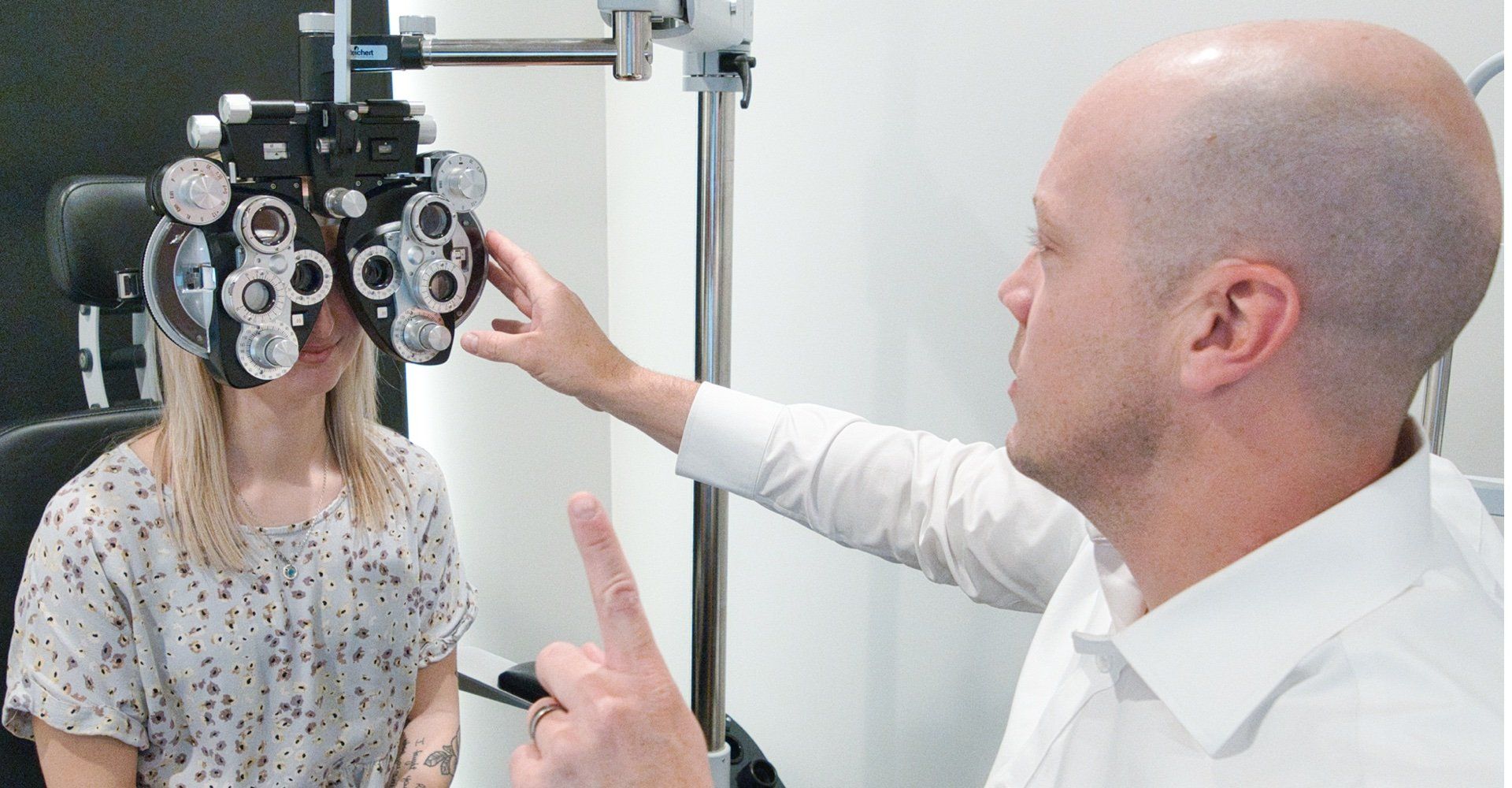
A comprehensive eye exam typically includes:
- A vision test to determine your prescription
- Evaluation of eye coordination and focusing ability
- Measurement of eye pressure
- Detailed examination of the retina and optic nerve
We take the time to explain your results clearly and answer any questions, so you leave with a full understanding of your eye health.
Who Should Schedule an Exam?
Routine eye exams are important for:
- Adults maintaining overall health
- Children and infants developing vision skills
- Patients with existing conditions like diabetes
- Anyone experiencing changes in vision or eye comfort
Even if you haven’t noticed any issues, regular exams are a proactive step toward preserving your vision.
FAQs
How often should I have an eye exam?
Most patients benefit from an annual comprehensive eye exam. Some individuals may need more frequent visits based on their health history.
If I see clearly, do I still need an exam?
Yes. Many eye diseases develop without early symptoms, so clear vision does not always mean your eyes are healthy
Are eye exams important for children?
Absolutely. Early exams help detect vision issues that can affect learning and development, even in very young children.
What’s the difference between a vision screening and a comprehensive eye exam?
Vision screenings are basic checks, often performed at schools or health fairs. A comprehensive exam evaluates both vision and overall eye health in detail
How long does an eye exam take?
Most comprehensive exams take about 45 minutes to an hour, depending on your needs.
Schedule Your Spring Eye Exam
Spring is a simple, effective time to prioritize your vision. Whether it’s been a year or longer since your last visit,
scheduling a comprehensive eye exam now can help ensure your eyes stay healthy for the months—and years—ahead.
About the Author
Blake Bush Family Eye Care is a leading provider of optometric services in Ardmore, Oklahoma. Our mission is to help every patient enjoy healthy, clear vision for life through advanced technology, personalized care, and genuine compassion. We provide comprehensive eye exams for all ages — starting at six months — and specialize in dry eye treatment, scleral lens fittings, and ocular disease management.
Serving Ardmore and surrounding communities, we’re committed to early detection, prevention, and customized solutions for every patient’s unique vision needs. Learn more at www.blakebushfamilyeyecare.com.