Why UV Protection Matters for Your Eyes—Even on Cloudy Days
Summary
Most people know sunscreen is important during the summer, but many don't realize their eyes need protection from the sun, too. Ultraviolet (UV) rays can damage your eyes year-round—even on cloudy or overcast days. Wearing quality sunglasses that block 100% of UVA and UVB rays is one of the simplest ways to help protect your vision and reduce the risk of certain eye diseases.
What You'll Learn
- How UV rays affect your eyes
- Why UV protection is important even on cloudy days
- Long-term eye conditions linked to UV exposure
- How to choose sunglasses that truly protect your vision
- Additional ways to keep your eyes safe outdoors
Your Eyes Are Exposed to UV Rays Every Day
Ultraviolet radiation reaches the Earth's surface regardless of the season. While UV levels are typically highest during the summer months, harmful rays can penetrate clouds and reflect off surfaces like water, sand, pavement, and concrete.
That means your eyes may be exposed even when it doesn't feel particularly sunny.
Just as repeated sun exposure can damage your skin, years of UV exposure may contribute to changes inside the eyes that affect long-term vision.
How UV Exposure Can Affect Eye Health
Excessive UV exposure has been associated with an increased risk of several eye conditions, including:
Cataracts
Cataracts develop when the eye's natural lens becomes cloudy. Although aging is the most common cause, cumulative UV exposure may increase the risk of developing cataracts earlier in life.
Macular Degeneration
The macula is responsible for your sharp central vision. While multiple factors contribute to macular degeneration, protecting your eyes from UV light is one step toward supporting long-term retinal health.
Photokeratitis
Sometimes called "sunburn of the eye," photokeratitis can occur after intense UV exposure, especially near water, beaches, or other reflective surfaces.
Symptoms may include:
- Eye pain
- Redness
- Light sensitivity
- Excessive tearing
- Blurry vision
Fortunately, it is usually temporary, but it can be very uncomfortable.
Growths on the Surface of the Eye
Long-term sun exposure may also contribute to benign growths such as pingueculae and pterygia, which can cause irritation and, in some cases, affect vision.
Why Children Need UV Protection, Too
Children often spend more time outdoors than adults, making eye protection especially important.
Because children's eyes allow more UV light to reach the retina, they may be more susceptible to cumulative sun exposure over their lifetime.
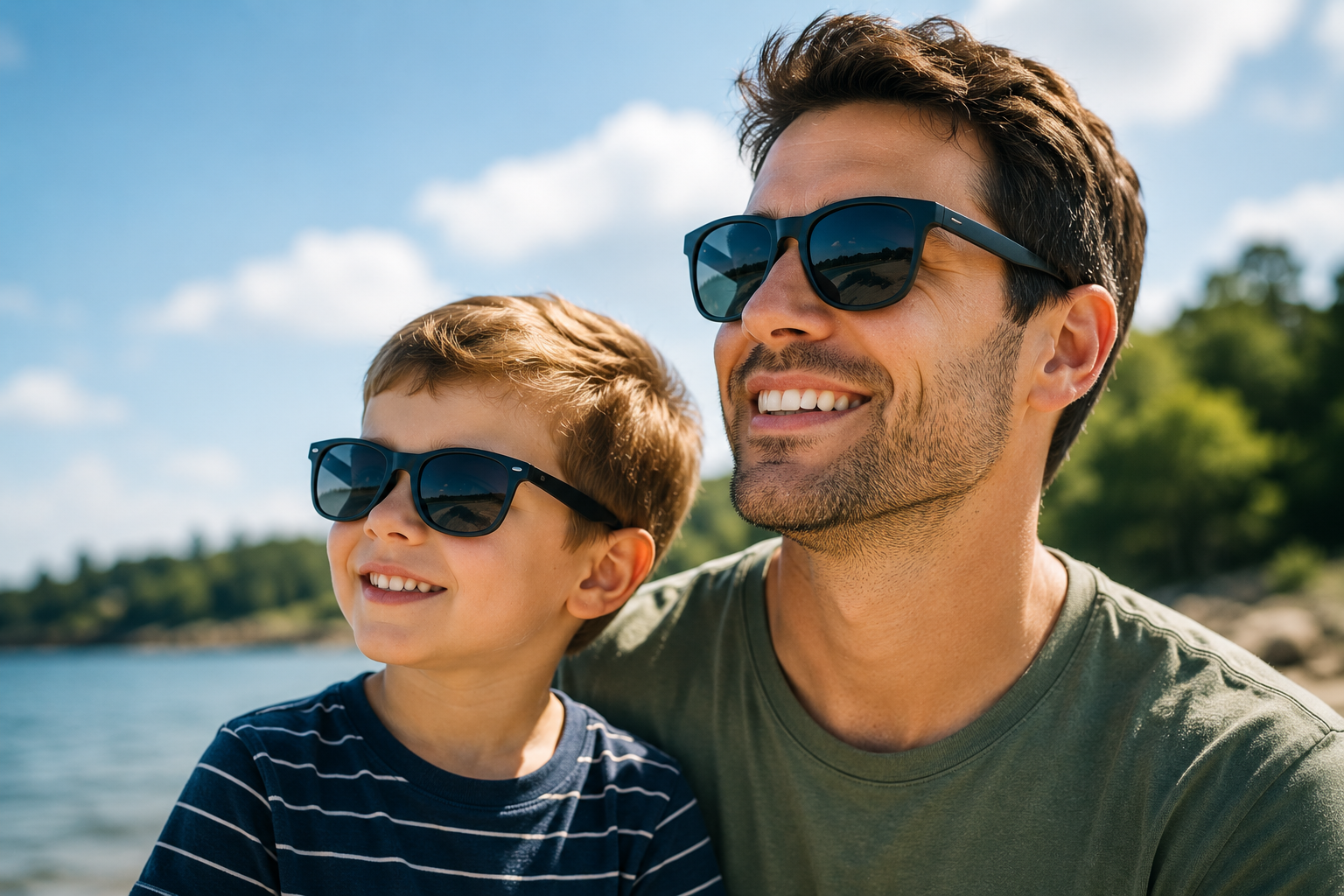
Providing children with quality sunglasses and wide-brimmed hats helps establish healthy habits that can benefit them for years to come.
Not All Sunglasses Offer the Same Protection
Darker lenses do not automatically provide better protection.
When shopping for sunglasses, look for lenses that offer:
- 100% UVA and UVB protection
- UV400 protection
- Large lenses or wraparound styles for additional coverage
- Comfortable fit for everyday wear
Polarized lenses reduce glare from reflective surfaces like water and roads, making outdoor activities more comfortable, but polarization alone does not guarantee UV protection. Always verify that your sunglasses block 100% of UVA and UVB rays.
Additional Ways to Protect Your Eyes Outdoors
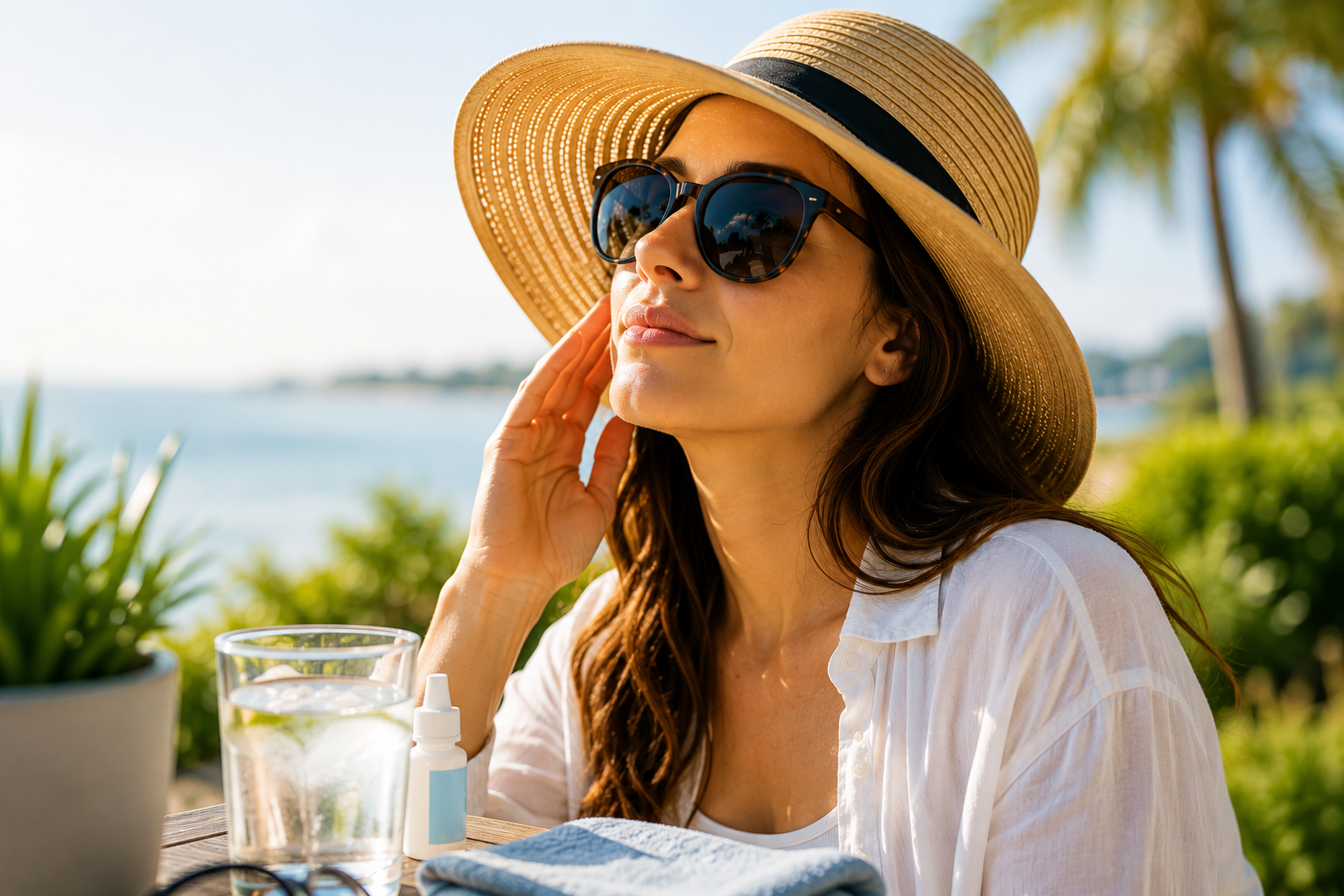
Along with wearing quality sunglasses, you can further reduce UV exposure by:
- Wearing a wide-brimmed hat
- Seeking shade during peak afternoon sunlight
- Encouraging children to wear sunglasses consistently
- Replacing damaged sunglasses that no longer fit properly
- Wearing UV-protective eyewear during outdoor sports and recreation
These simple habits can help protect your vision throughout every season.
Comprehensive Eye Exams Help Protect Long-Term Vision
Even with proper UV protection, regular comprehensive eye exams remain one of the best ways to preserve your eye health.
Many eye diseases develop gradually and without noticeable symptoms. Routine examinations allow your optometrist to monitor changes over time, detect potential problems early, and recommend treatment when needed.
At Blake Bush Family Eye Care, we're committed to helping patients of all ages maintain healthy vision through preventive care, advanced technology, and personalized treatment recommendations.
Frequently Asked Questions
Do I need sunglasses on cloudy days?
Yes. Up to 80% of ultraviolet rays can pass through clouds, meaning your eyes are still exposed even when the sun isn't visible.
Are expensive sunglasses better?
Not necessarily. The most important feature is that they provide 100% UVA and UVB protection. Many affordable sunglasses offer excellent protection
What does UV400 mean?
UV400 lenses block virtually all ultraviolet rays up to 400 nanometers, including both UVA and UVB radiation.
Are polarized sunglasses the same as UV-protective sunglasses?
No. Polarized lenses reduce glare but do not automatically provide UV protection. Always check that the lenses also block 100% of UVA and UVB rays.
Should children wear sunglasses?
Absolutely. Children's eyes are especially sensitive to UV exposure, and developing good habits early can help protect their vision over a lifetime.
About the Author
Blake Bush Family Eye Care is a leading provider of optometric services in Ardmore, Oklahoma. Our mission is to help every patient enjoy healthy, clear vision for life through advanced technology, personalized care, and genuine compassion. We provide comprehensive eye exams for all ages — starting at six months — and specialize in dry eye treatment, scleral lens fittings, and ocular disease management.
Serving Ardmore and surrounding communities, we’re committed to early detection, prevention, and customized solutions for every patient’s unique vision needs. Learn more at www.blakebushfamilyeyecare.com.