Eye Allergies vs. Dry Eye: How to Tell the Difference (and Treat Both)
Summary
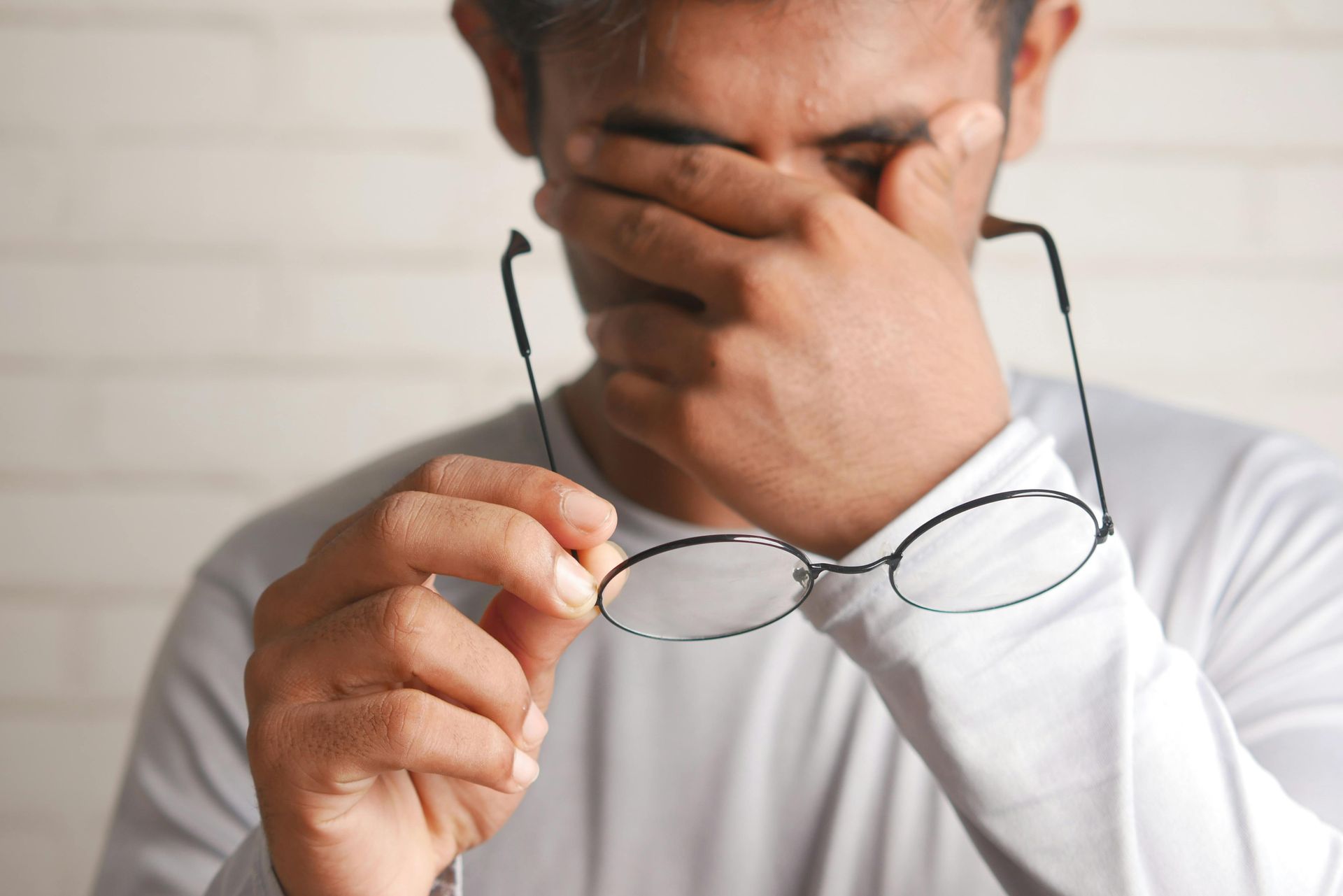
Red, irritated, watery eyes are common—especially during allergy season—but not all eye discomfort is caused by allergies. Dry eye disease can produce similar symptoms, and many patients experience both conditions at the same time. Understanding the difference is key to finding lasting relief.
What You’ll Learn
- The key differences between eye allergies and dry eye
- Symptoms unique to each condition
- Why these conditions are often confused
- Treatment options for both
- When to seek professional care
Eye Allergies: What to Know
Eye allergies occur when your eyes react to environmental triggers like pollen, dust, or pet dander. This reaction causes inflammation and irritation.
Common symptoms include:
- Itching (a major distinguishing factor)
- Redness
- Watery eyes
- Swollen eyelids
Allergies are often seasonal but can occur year-round depending on the trigger.
Dry Eye: What to Know
Dry eye disease happens when your eyes don’t produce enough quality tears or when tears evaporate too quickly.
Common symptoms include:
- Burning or stinging
- Gritty or sandy sensation
- Fluctuating or blurry vision
- Light sensitivity
- Eye fatigue
Unlike allergies, dry eye is typically chronic and can worsen with screen use or environmental factors.
Why They’re Often Confused
Both conditions can cause redness, irritation, and watery eyes. In fact, dry eye can sometimes cause excessive tearing as the eye tries to compensate for dryness.
It’s also possible to have both conditions simultaneously, which makes proper diagnosis especially important.
Treatment Options
For Eye Allergies:
- Antihistamine or anti-inflammatory eye drops
- Avoiding known triggers
- Cold compresses
- Protective eyewear outdoors
For Dry Eye:
- Artificial tears or prescription drops
- In-office treatments for tear quality and retention
- Lifestyle adjustments (screen breaks, hydration)
- Advanced therapies for moderate to severe cases
A customized treatment plan is often the most effective approach.
When to See Your Eye Doctor
If your symptoms persist, worsen, or interfere with daily activities, it’s time for an evaluation. Proper diagnosis ensures you’re treating the root cause—not just the symptoms
FAQs
How can I tell if it’s allergies or dry eye?
Itching usually points to allergies, while burning or a gritty feeling is more common with dry eye. However, an exam is the best way to know for sure.
Can I have both conditions at once?
Yes, and this is more common than many people realize.
Do over-the-counter drops work?
They can help temporarily, but they may not address the underlying issue—especially for chronic dry eye.
Is dry eye permanent?
It’s typically a chronic condition, but it can be effectively managed with the right treatment plan.
When should I seek treatment?
If symptoms are ongoing or impacting your quality of life, a professional evaluation is recommended.
About the Author
Blake Bush Family Eye Care is a leading provider of optometric services in Ardmore, Oklahoma. Our mission is to help every patient enjoy healthy, clear vision for life through advanced technology, personalized care, and genuine compassion. We provide comprehensive eye exams for all ages — starting at six months — and specialize in dry eye treatment, scleral lens fittings, and ocular disease management.
Serving Ardmore and surrounding communities, we’re committed to early detection, prevention, and customized solutions for every patient’s unique vision needs. Learn more at www.blakebushfamilyeyecare.com.