Is Your Child Ready to Learn? How Vision Problems Can Affect School Performance

Summary
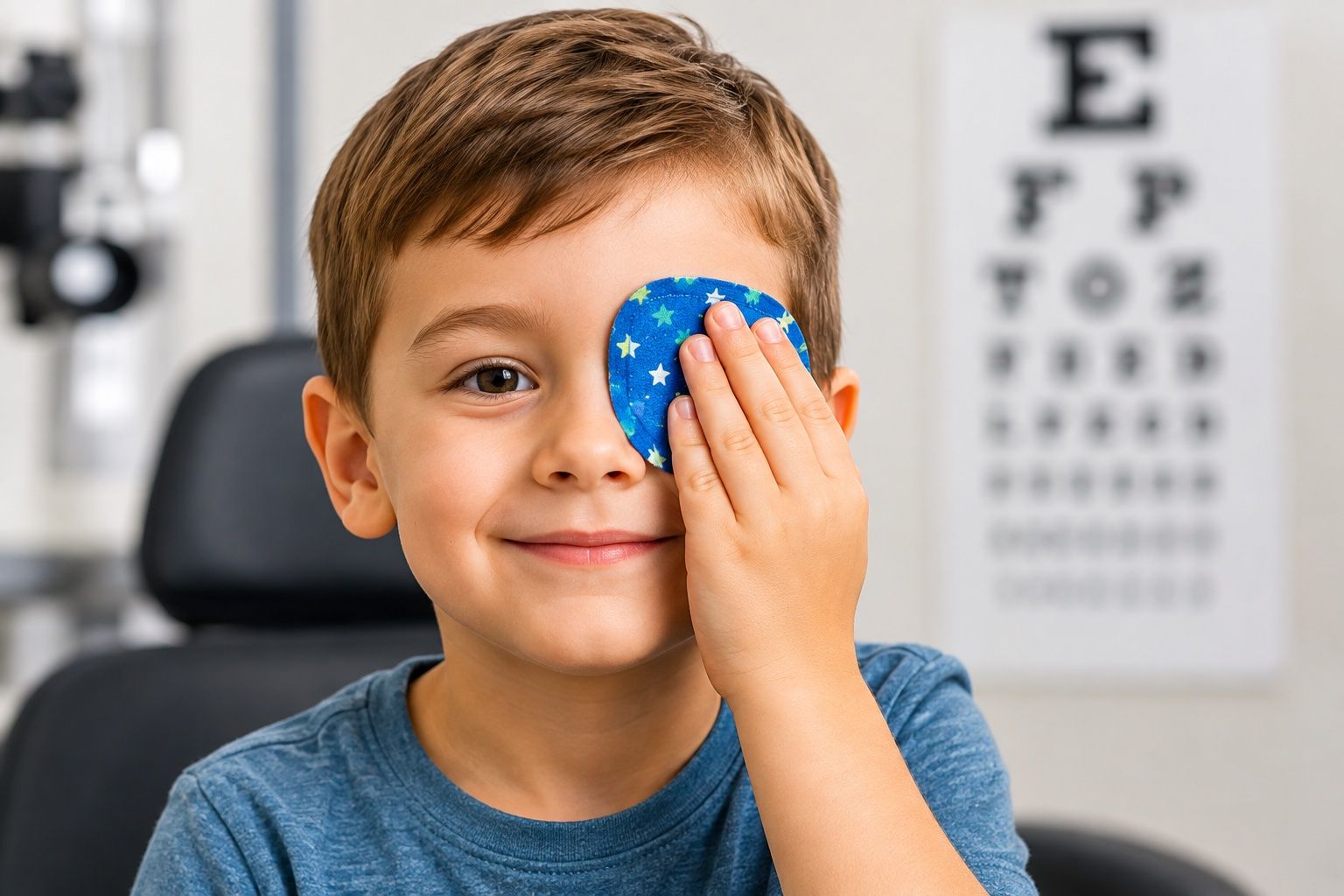
As a new school year approaches, parents are busy shopping for supplies, organizing schedules, and preparing their children for success. One important item that's often overlooked is a comprehensive eye exam. Vision problems can make learning more difficult, yet many children don't realize they aren't seeing clearly. Identifying and treating vision issues before school starts can help your child perform their best in the classroom.
What You'll Learn
- How vision affects learning and classroom performance
- Common signs of vision problems in children
- Why school vision screenings aren't enough
- When children should have comprehensive eye exams
- How healthy vision supports academic success
Vision Plays a Bigger Role in Learning Than Many Parents Realize
Experts estimate that much of classroom learning is visual. Reading textbooks, viewing the whiteboard, completing assignments, using computers, and participating in classroom activities all depend on clear, comfortable vision.
When children struggle to see, they may struggle to learn—not because they lack ability, but because they aren't receiving visual information clearly.
Signs Your Child May Have a Vision Problem
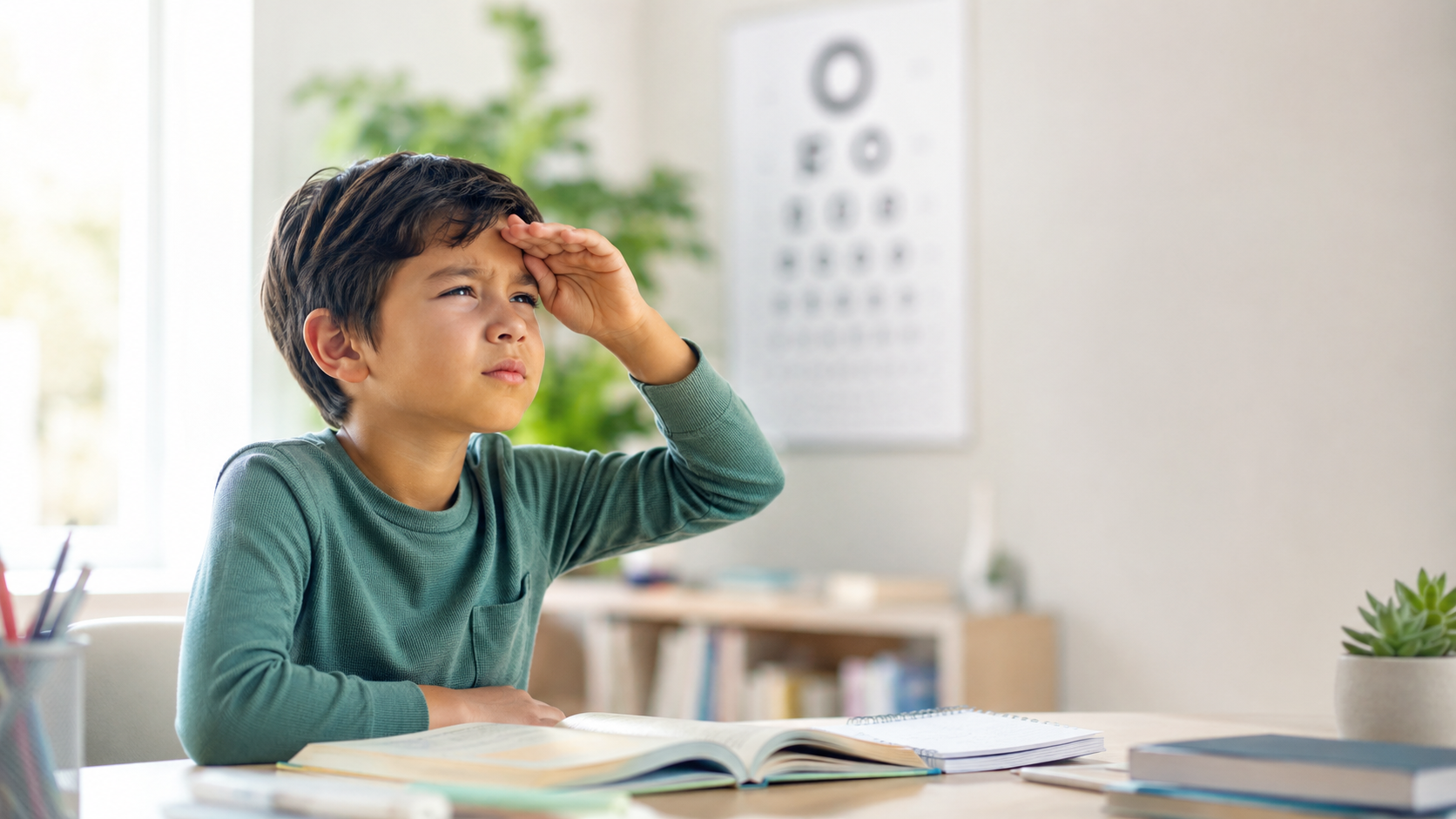
Many children assume everyone sees the way they do, so they may not complain about blurry vision.
Watch for signs such as:
- Frequent headaches
- Squinting
- Sitting very close to screens
- Holding books unusually close
- Losing their place while reading
- Avoiding reading or homework
- Rubbing their eyes often
- Poor attention during visual tasks
- Declining grades
These symptoms don't always mean a child needs glasses, but they do warrant a comprehensive eye examination.
School Vision Screenings Have Limitations
Many schools perform vision screenings, but these screenings are designed to identify obvious vision concerns—not diagnose eye conditions or evaluate overall eye health.
A child can pass a school screening and still have problems such as:
- Farsightedness
- Astigmatism
- Eye teaming or focusing difficulties
- Eye health conditions
- Early signs of eye disease
A comprehensive eye exam evaluates much more than distance vision.
When Should Children Have Eye Exams?
The American Optometric Association recommends eye exams throughout childhood, beginning in infancy and continuing before starting school and regularly during the school years.
Annual comprehensive eye exams help ensure your child's prescription, visual development, and overall eye health remain on track.
How Clear Vision Supports Academic Success
When children see clearly and comfortably, they're better able to:
- Read efficiently
- Maintain focus during lessons
- Participate confidently in class
- Complete homework comfortably
- Enjoy sports and extracurricular activities
Healthy vision supports confidence both inside and outside the classroom.
Give Your Child the Best Start This School Year
A comprehensive eye exam is one of the simplest ways to help your child prepare for a successful school year. Whether your child has never worn glasses or already has corrective lenses, regular exams help ensure they're seeing their very best.
Scheduling an appointment before school begins allows time to update prescriptions and address any vision concerns before the first day of class.
Frequently Asked Questions
At what age should my child have their first eye exam?
Children should receive their first comprehensive eye exam during infancy, followed by additional exams as recommended by their eye doctor.
My child passed their school vision screening. Do they still need an eye exam?
Yes. School screenings only identify certain vision problems and do not replace a comprehensive eye examination.
How often should children have eye exams?
Most school-age children benefit from annual comprehensive eye exams, although your eye doctor may recommend a different schedule based on individual needs.
Can vision problems affect behavior in school?
Yes. Difficulty seeing can sometimes contribute to frustration, reduced attention, avoidance of reading, or decreased classroom participation.
What if my child doesn't complain about their vision?
Many children don't realize their vision isn't normal. Regular eye exams help detect problems before they begin affecting learning or daily activities.
About the Author
Blake Bush Family Eye Care is a leading provider of optometric services in Ardmore, Oklahoma. Our mission is to help every patient enjoy healthy, clear vision for life through advanced technology, personalized care, and genuine compassion. We provide comprehensive eye exams for all ages — starting at six months — and specialize in dry eye treatment, scleral lens fittings, and ocular disease management.
Serving Ardmore and surrounding communities, we’re committed to early detection, prevention, and customized solutions for every patient’s unique vision needs. Learn more at www.blakebushfamilyeyecare.com.