High Eye Pressure: Does It Always Mean Glaucoma?
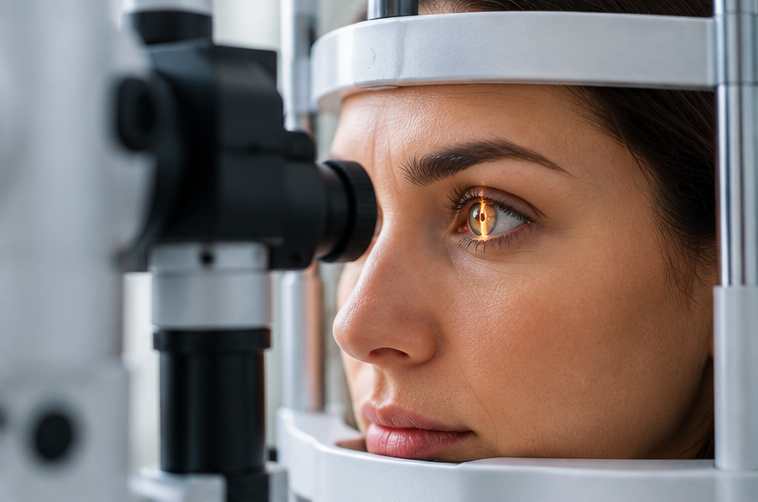
If your eye doctor tells you that your eye pressure is higher than expected, one word may immediately come to mind: glaucoma.
But high eye pressure and glaucoma aren't the same thing.
Some people have elevated pressure inside their eyes without developing glaucoma. At the same time, glaucoma can occur in people whose eye pressure falls within what is generally considered a normal range.
Understanding the difference helps explain why diagnosing and monitoring glaucoma involves much more than a single pressure reading.
Summary
Higher-than-normal pressure inside the eye is an important risk factor for glaucoma, but it does not automatically mean you have glaucoma.
Glaucoma involves damage to the optic nerve. Your eye doctor may consider eye pressure along with the appearance of your optic nerve, visual field testing, imaging, and other factors when evaluating your risk.
Regular monitoring can be particularly important because common forms of glaucoma may cause no noticeable symptoms in their early stages.
What You'll Learn
In this article, we'll explain:
- What eye pressure means
- What ocular hypertension is
- The relationship between eye pressure and glaucoma
- Why normal eye pressure doesn't completely rule out glaucoma
- How eye doctors evaluate glaucoma risk
What Is Eye Pressure?
Your eyes continually produce and drain a clear fluid.
This fluid helps maintain the eye's normal shape and function. If the fluid doesn't drain adequately, pressure inside the eye can increase.
This is called intraocular pressure, or IOP.
Measuring eye pressure is one important component of an eye examination, particularly when evaluating a patient's risk for glaucoma.
What Is Ocular Hypertension?
Ocular hypertension generally refers to eye pressure that is higher than expected without detectable glaucomatous damage to the optic nerve.
In other words, you can have high eye pressure without having glaucoma.
However, elevated pressure is an important risk factor for developing glaucoma. That means someone with ocular hypertension may need additional testing and ongoing monitoring.
Does High Eye Pressure Mean You Have Glaucoma?
No.
Glaucoma is a group of eye diseases that damage the optic nerve, which carries visual information from your eye to your brain.
Higher eye pressure increases the risk of this damage, but people's optic nerves don't all respond to pressure in exactly the same way.
Some people can have elevated eye pressure for years without developing glaucoma. Others can experience optic-nerve damage even when their pressure measurements aren't unusually high.
That's why your doctor looks at much more than a number on an eye-pressure test.
Can You Have Glaucoma With Normal Eye Pressure?
Yes.
Normal-tension glaucoma is a form of glaucoma in which optic-nerve damage occurs even though measured eye pressure is within a generally normal range.
This reinforces an important point: measuring eye pressure alone isn't enough to determine whether someone has glaucoma.
How Does Your Eye Doctor Check for Glaucoma?
Depending on your individual circumstances, glaucoma evaluation may include several different types of testing.
Your doctor may evaluate:
- Intraocular pressure
- The appearance and health of the optic nerve
- Peripheral or side vision
- The drainage structures within the eye
- Corneal characteristics
- Changes in the optic nerve over time
Imaging technology can also help doctors document and monitor the optic nerve and related structures.
The combination of these findings provides much more information than eye pressure alone.
Why Is Regular Monitoring So Important?
The most common form of glaucoma often develops gradually and without obvious symptoms in its early stages.
Patients may see well and feel that nothing is wrong while changes are occurring.
Once vision is lost from glaucoma, it cannot simply be restored with a new glasses prescription. Early detection and appropriate treatment are therefore important for protecting remaining vision.
What Happens If Your Eye Pressure Is High?
The next step depends on your individual risk.
Your eye doctor may recommend monitoring, additional testing, or treatment depending on factors such as your pressure measurements, optic-nerve appearance, test results, family history, age, and other health considerations.
A higher pressure reading doesn't automatically mean you need glaucoma treatment—but it does mean the finding deserves appropriate evaluation.
Eye Pressure Is Only Part of the Picture
If you've been told your eye pressure is elevated, there's no need to assume you have glaucoma. But it's also not something to ignore.
The goal is to understand what that pressure means for your eyes and whether there are any signs that your optic nerve is being affected.
At Blake Bush Family Eye Care in Ardmore, Oklahoma, we use comprehensive examinations and diagnostic technology to identify and monitor eye-health concerns as early as possible.
If you have questions about high eye pressure, glaucoma, or your risk for eye disease, schedule a comprehensive eye examination with Blake Bush Family Eye Care.
Frequently Asked Questions
Is high eye pressure the same as glaucoma?
No. High eye pressure is a risk factor for glaucoma, but some people with elevated pressure never develop glaucoma.
What is considered high eye pressure?
Eye pressure above 21 mm Hg is generally considered higher than normal, but the significance of a pressure measurement varies from person to person. Your doctor evaluates the number in the context of your overall eye health.
Can you have glaucoma with normal eye pressure?
Yes. Normal-tension glaucoma causes optic-nerve damage even though eye pressure measurements fall within a generally normal range.
Can you feel high eye pressure?
Common forms of elevated eye pressure and open-angle glaucoma typically don't produce obvious symptoms. That's one reason regular eye examinations are important
Does one high eye-pressure reading mean I need treatment?
Not necessarily. Your doctor may repeat measurements and perform additional testing before determining whether monitoring or treatment is appropriate.
How is glaucoma detected?
Glaucoma evaluation can involve measuring eye pressure, examining and imaging the optic nerve, checking peripheral vision, and assessing other structures and risk factors.
About the Author
Blake Bush Family Eye Care is a leading provider of optometric services in Ardmore, Oklahoma. Our mission is to help every patient enjoy healthy, clear vision for life through advanced technology, personalized care, and genuine compassion. We provide comprehensive eye exams for all ages — starting at six months — and specialize in dry eye treatment, scleral lens fittings, and ocular disease management.
Serving Ardmore and surrounding communities, we’re committed to early detection, prevention, and customized solutions for every patient’s unique vision needs. Learn more at www.blakebushfamilyeyecare.com